ELKARMA RESIDENCE
A House of Quiet Bonds
Some homes aren’t designed to stand out — they’re designed to hold what matters.
Elkarma is a family residence located in Sheikh Zayed, Giza.
It was created for three family members living together, and the project was designed to support multi-generational emotional closeness, personal privacy, and day-to-day comfort — all within a single, calm architectural rhythm.
From the outset, the home feels grounded yet alive, and was envisioned as a sanctuary where architecture quietly nurtures connection, comfort, and individuality.
From the outset, the home feels grounded yet alive, and was envisioned as a sanctuary where architecture quietly nurtures connection, comfort, and individuality.
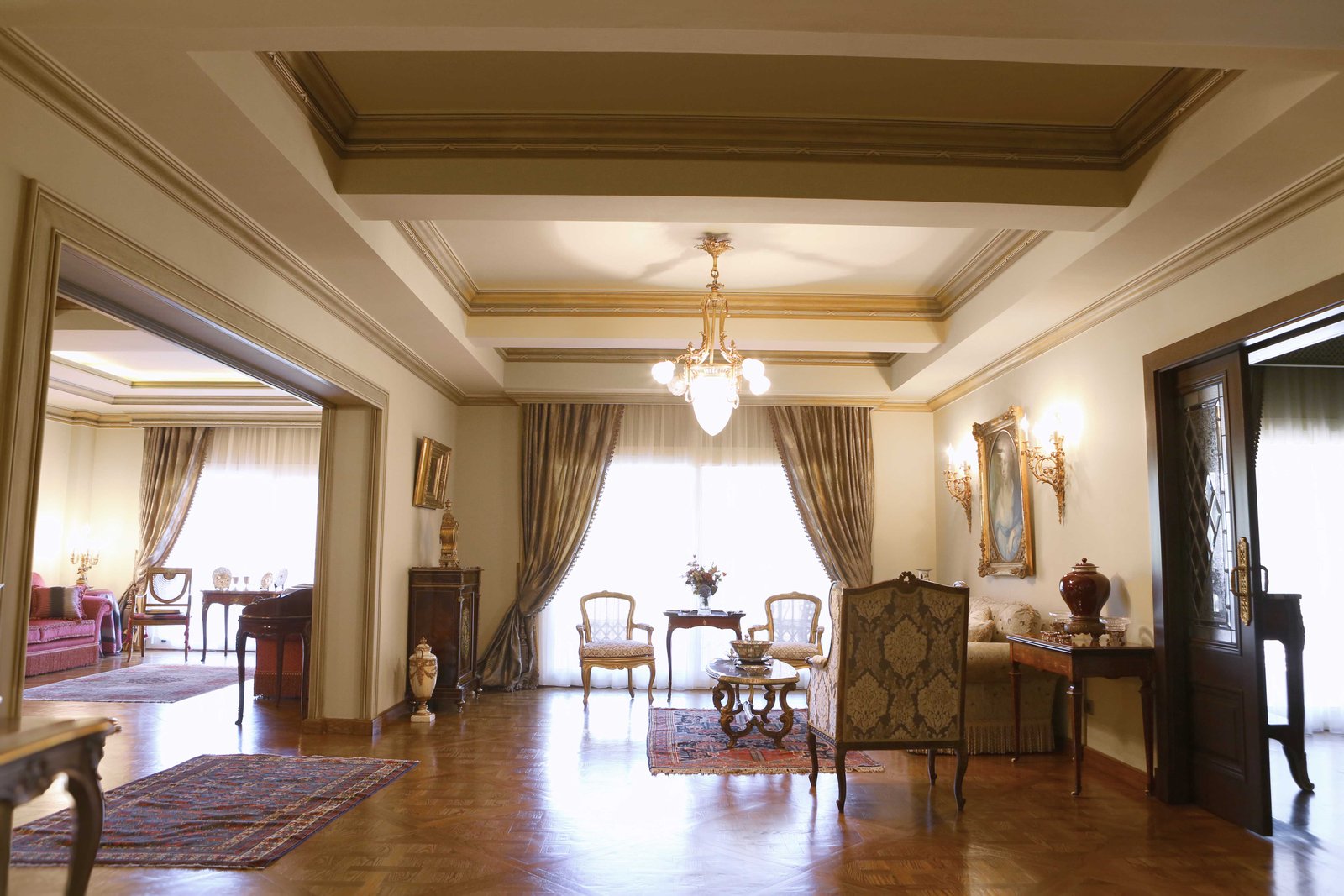
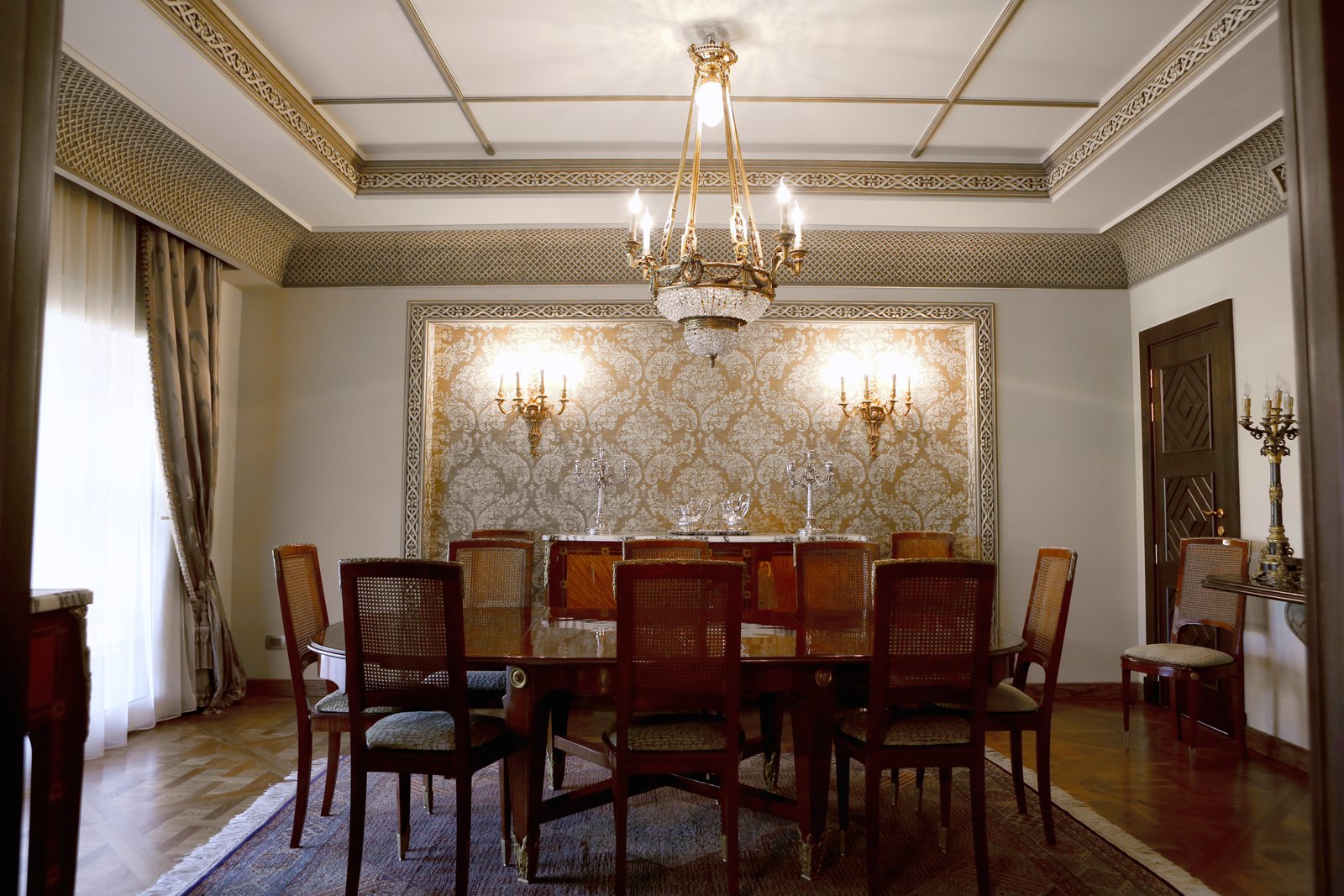
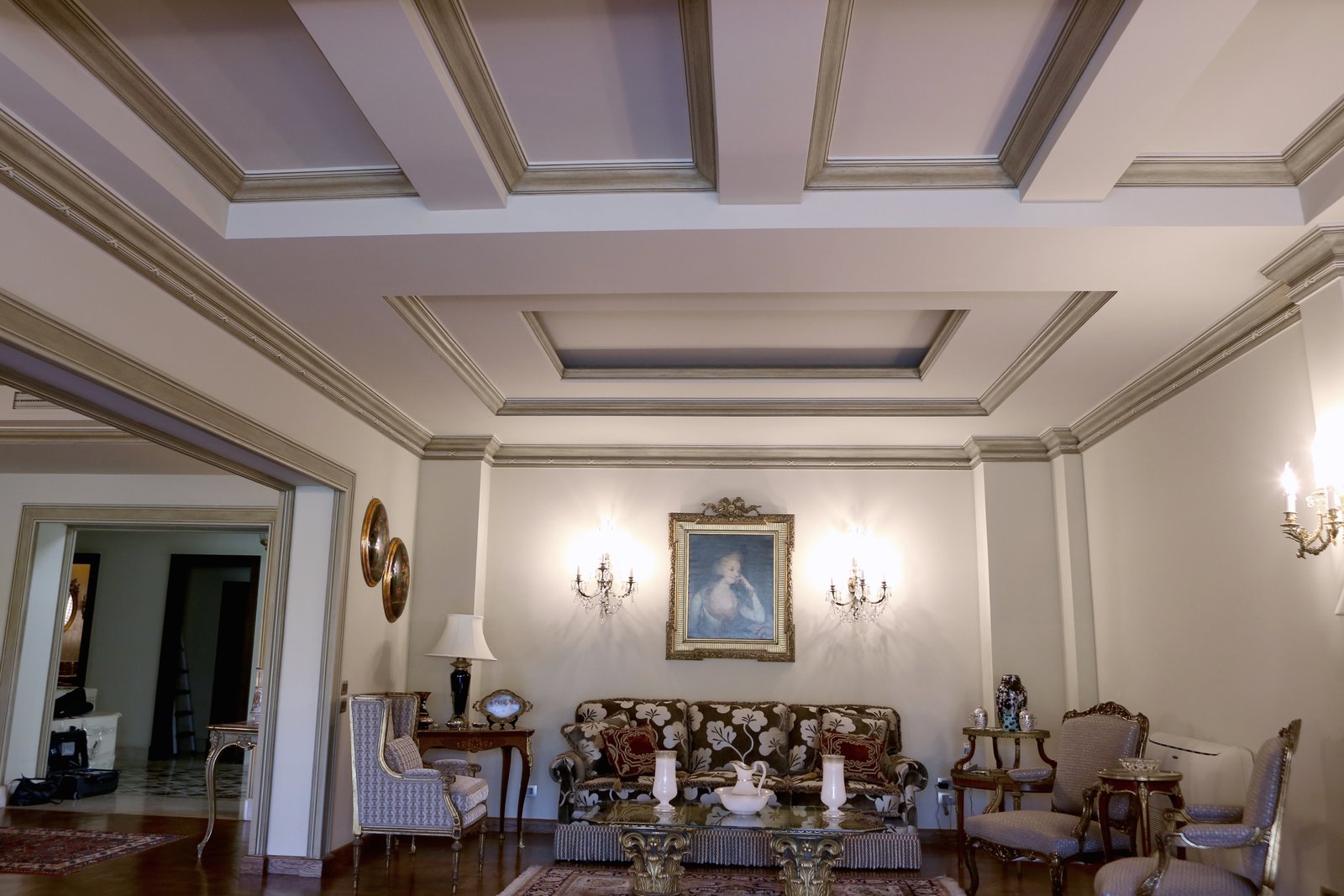
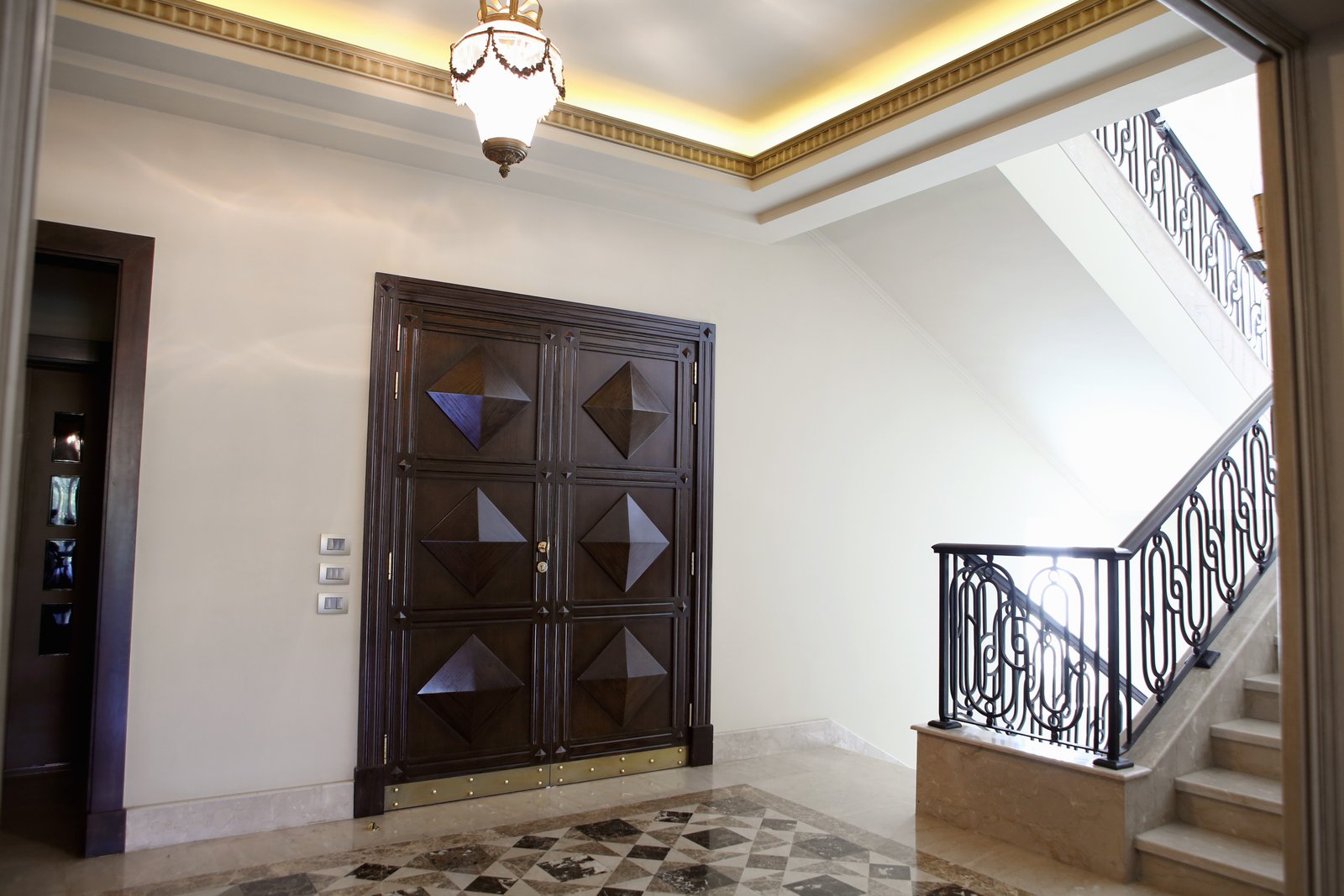
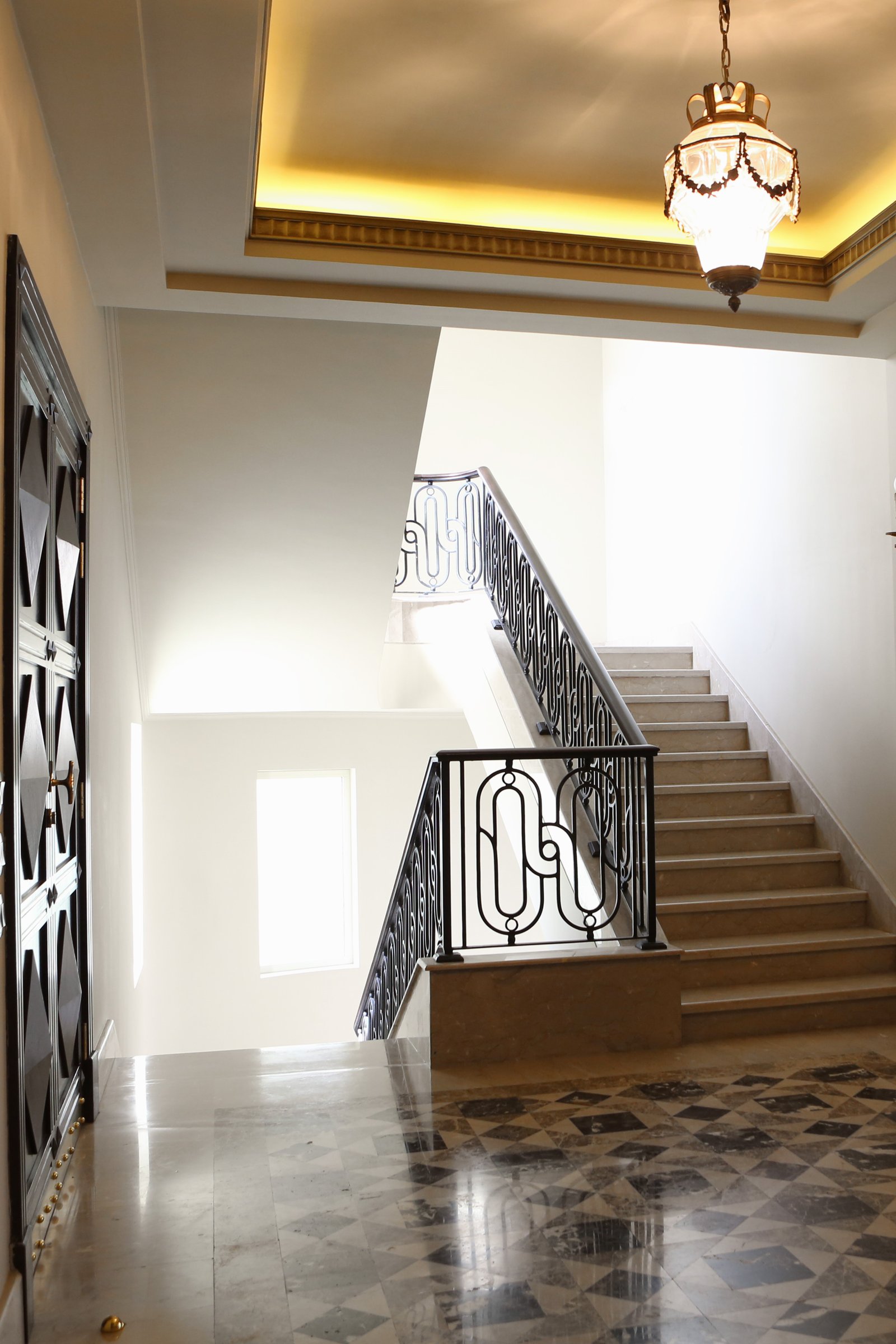
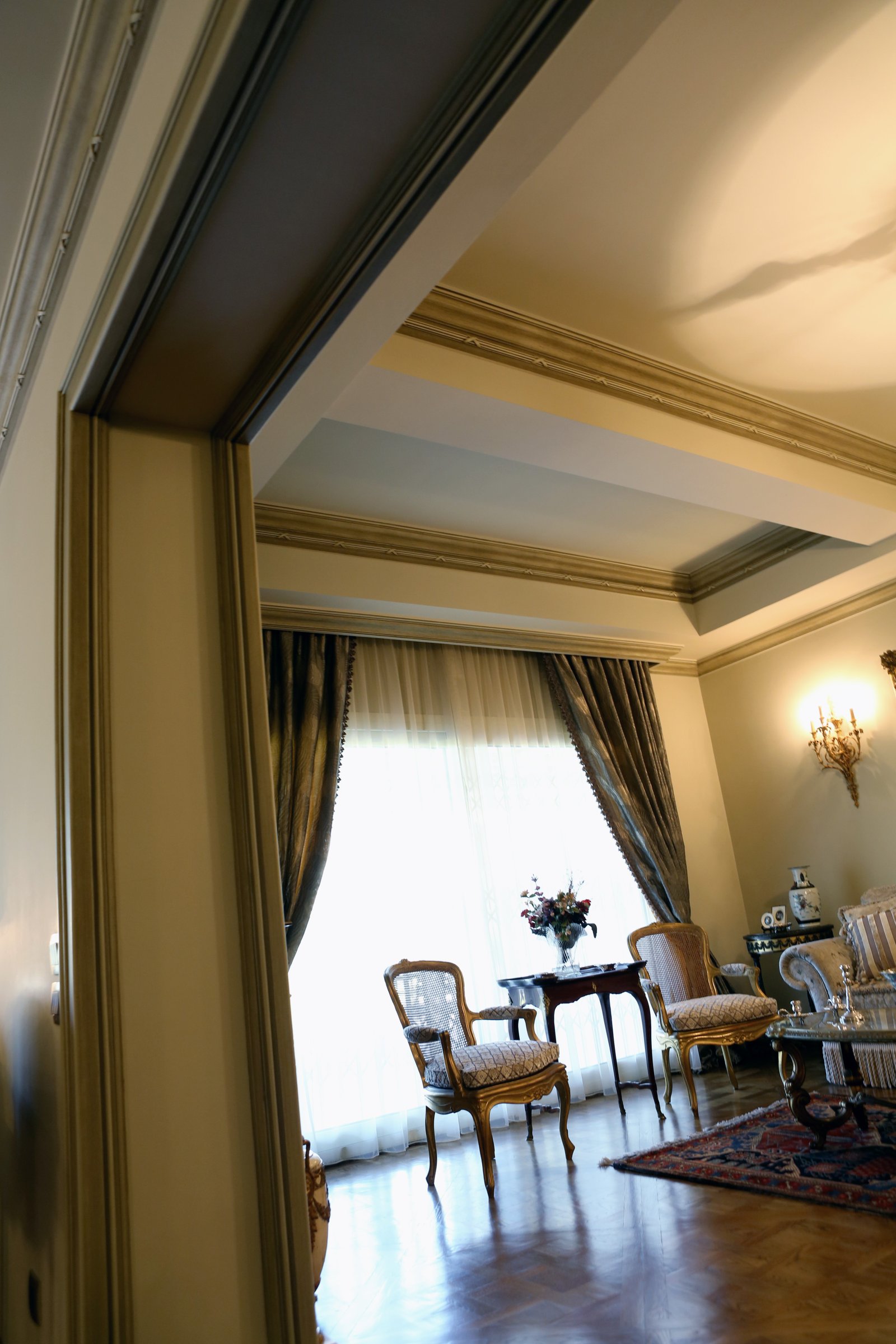
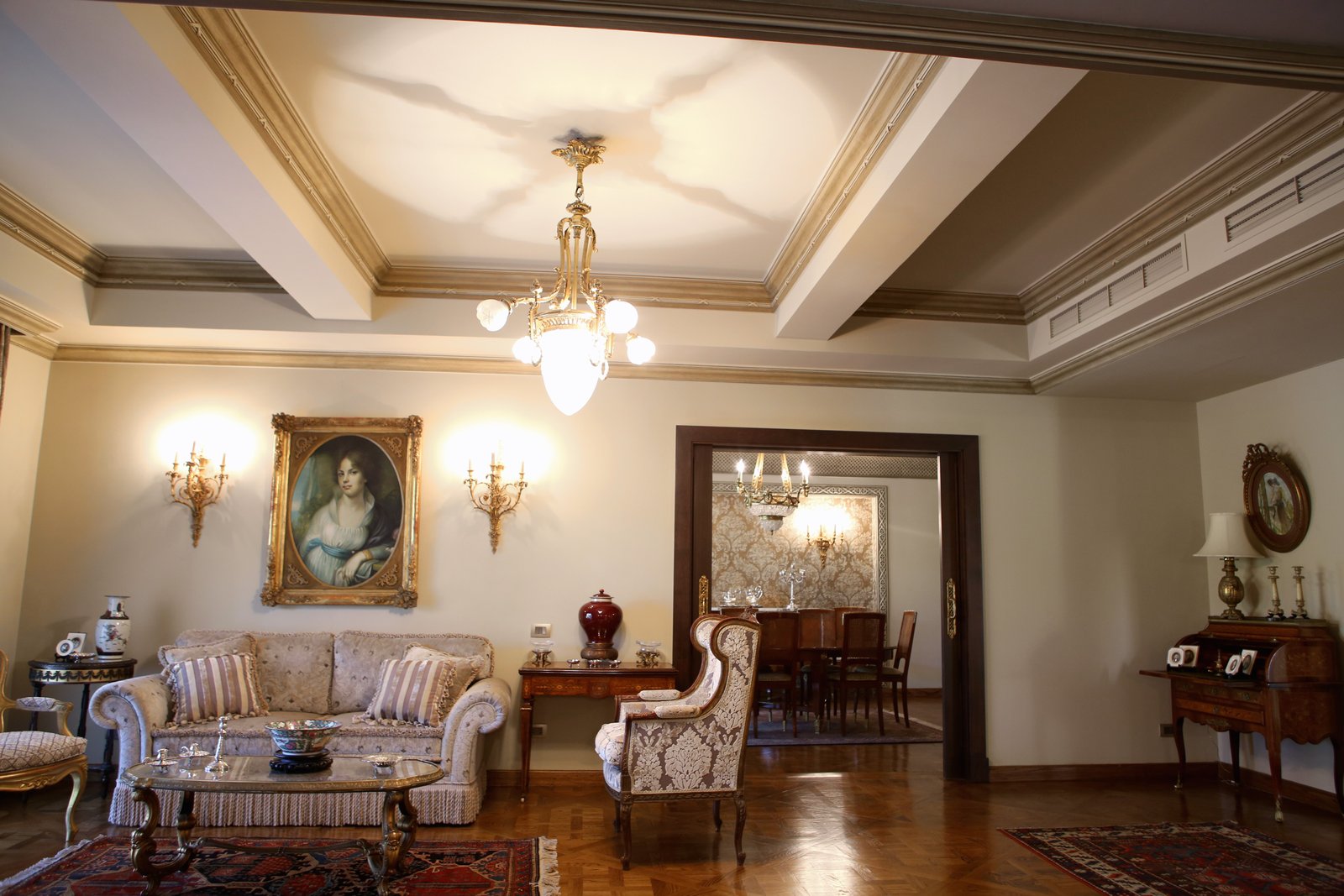
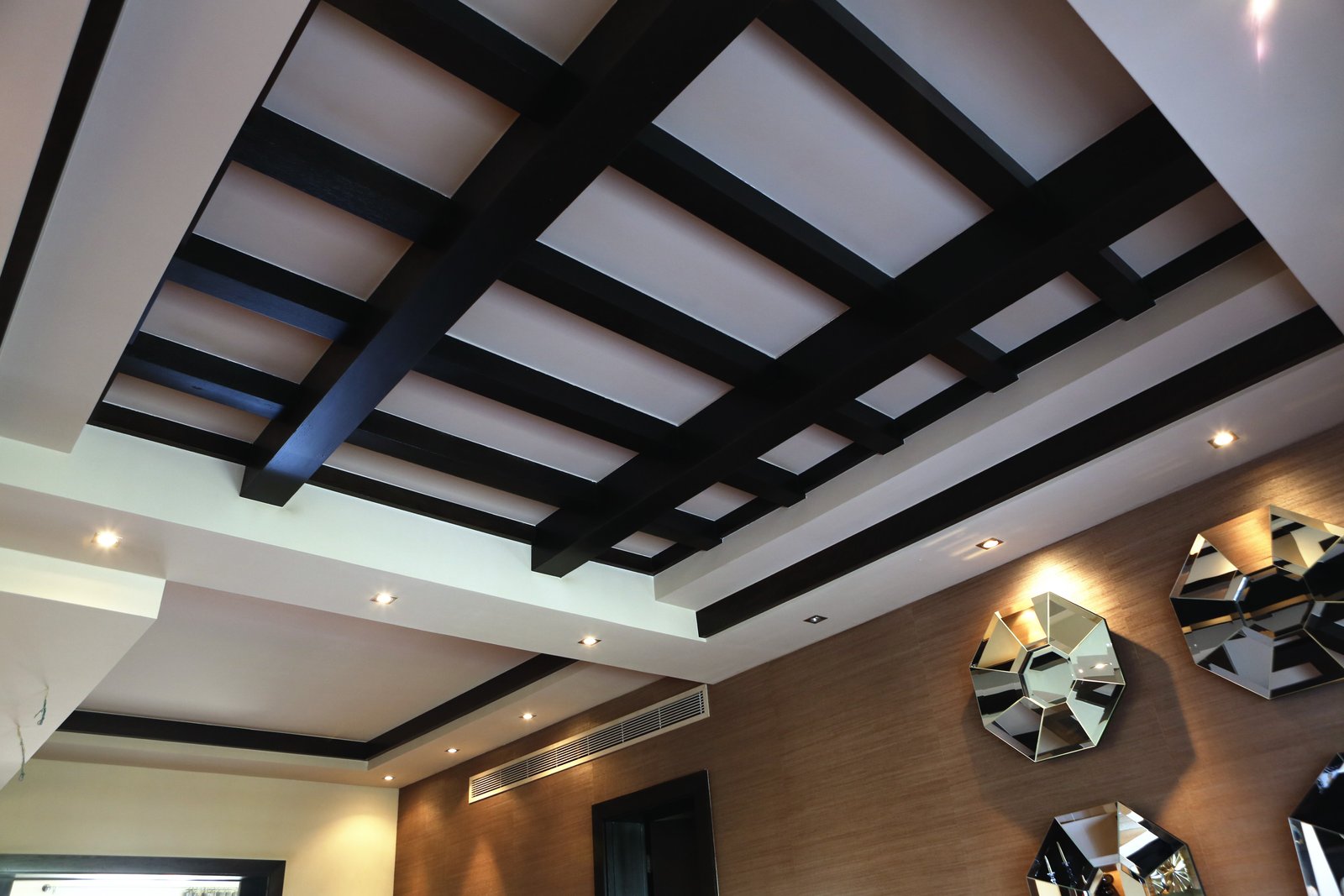
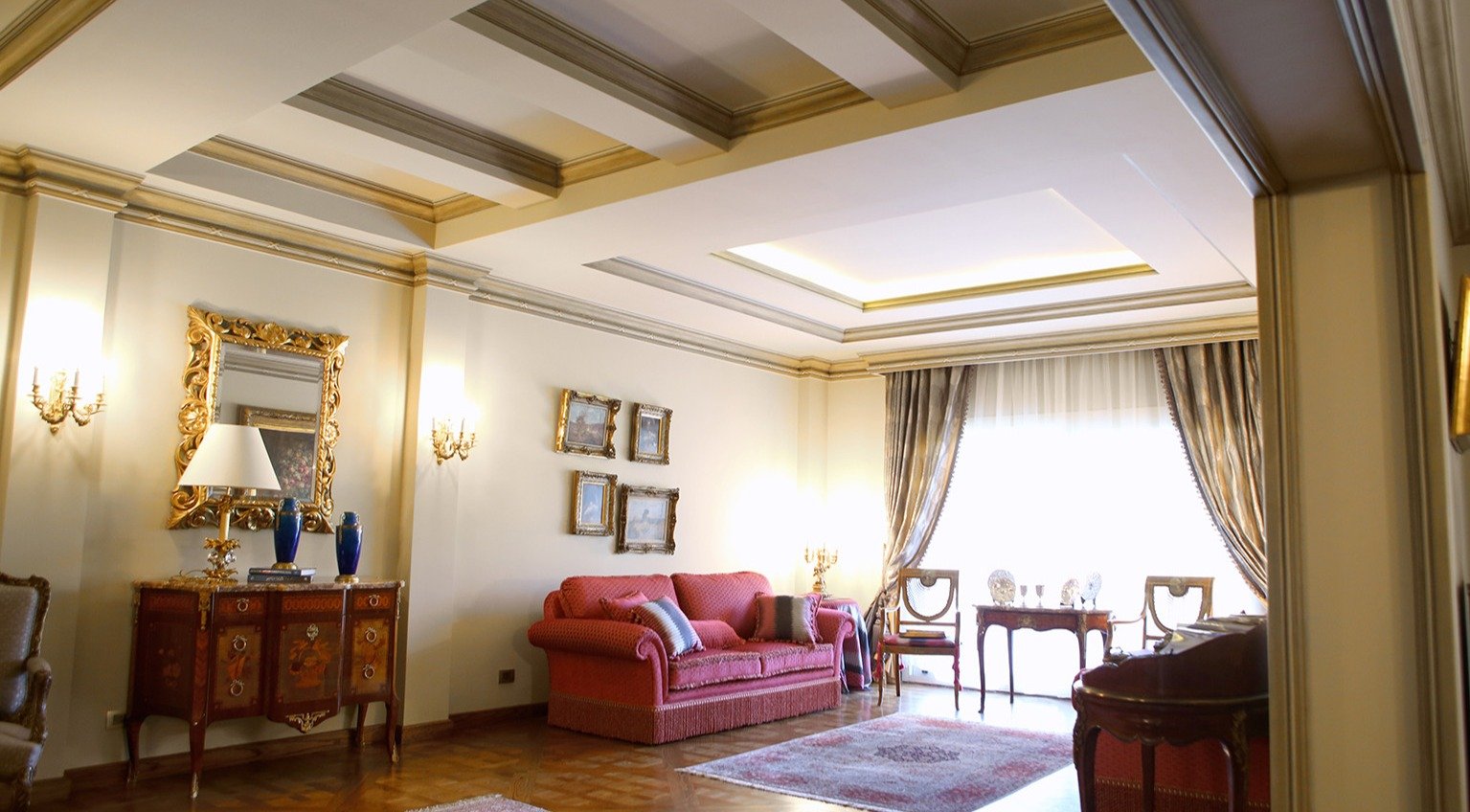
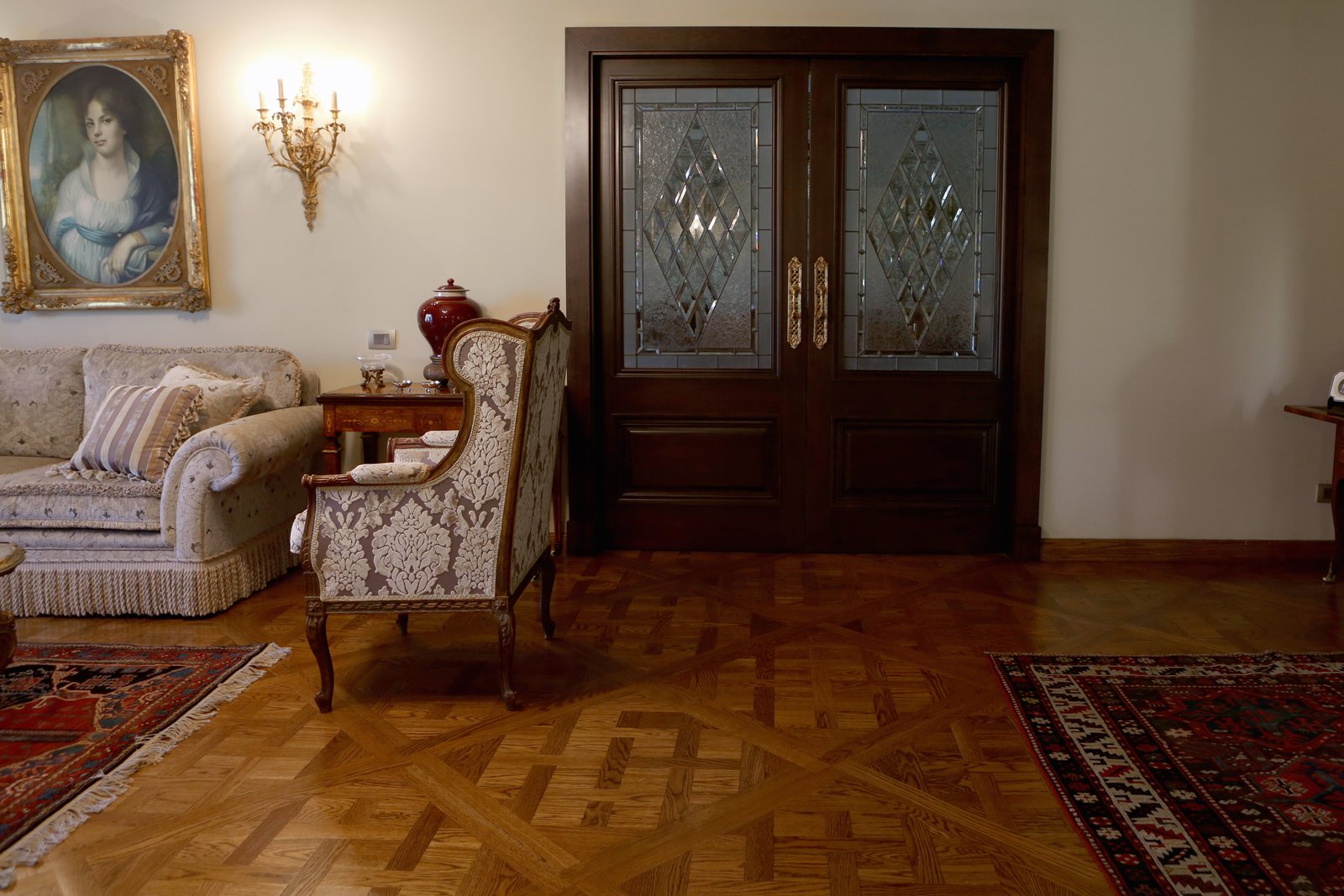
The layout unfolds across three floors, with a central reception anchored by inherited furniture, decorative ceilings, and soft natural light.
These vintage elements weren’t replaced — they were respected and reinterpreted as quiet design cues.
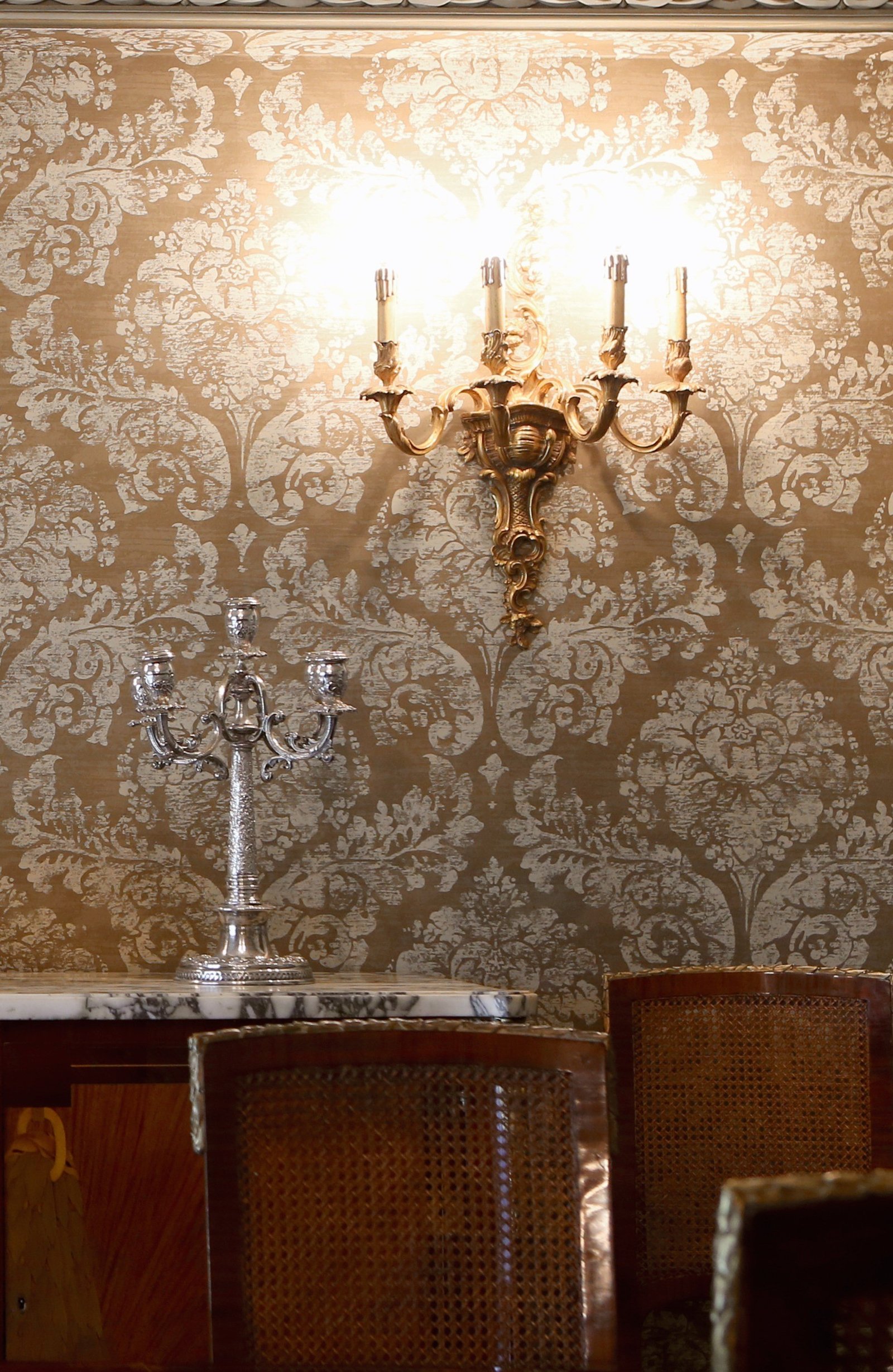
Layered ceilings, gold fixtures, and emotionally rooted pieces shape a space that feels formal yet inviting.
The layout honours traditional hosting while soft materials, muted tones, and lighting details introduce a more contemporary rhythm.
Layered ceilings, gold fixtures, and emotionally rooted pieces shape a space that feels formal yet inviting.
The layout honours traditional hosting while soft materials, muted tones, and lighting details introduce a more contemporary rhythm.
Every design move was about enabling graceful living — especially for elderly residents.
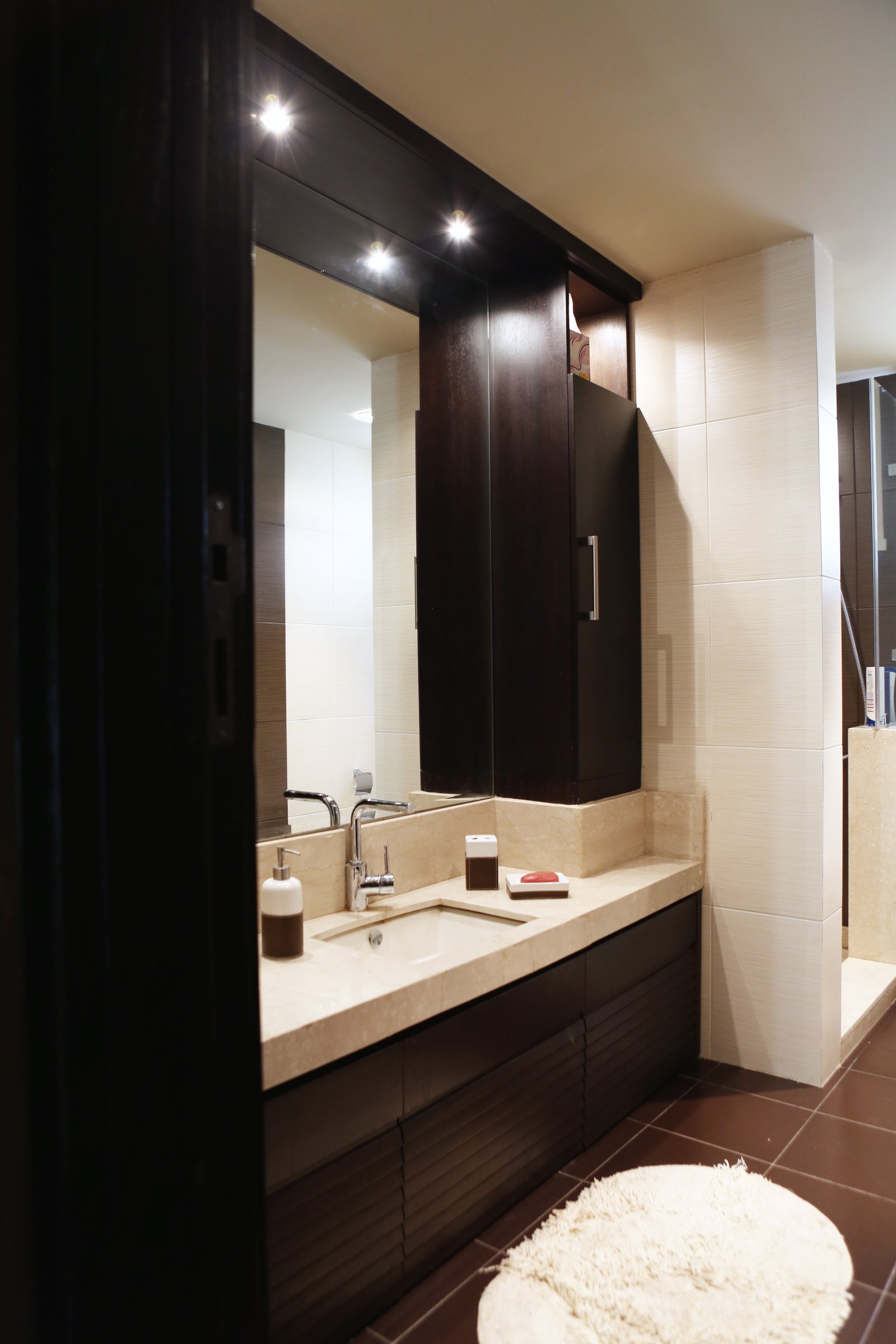
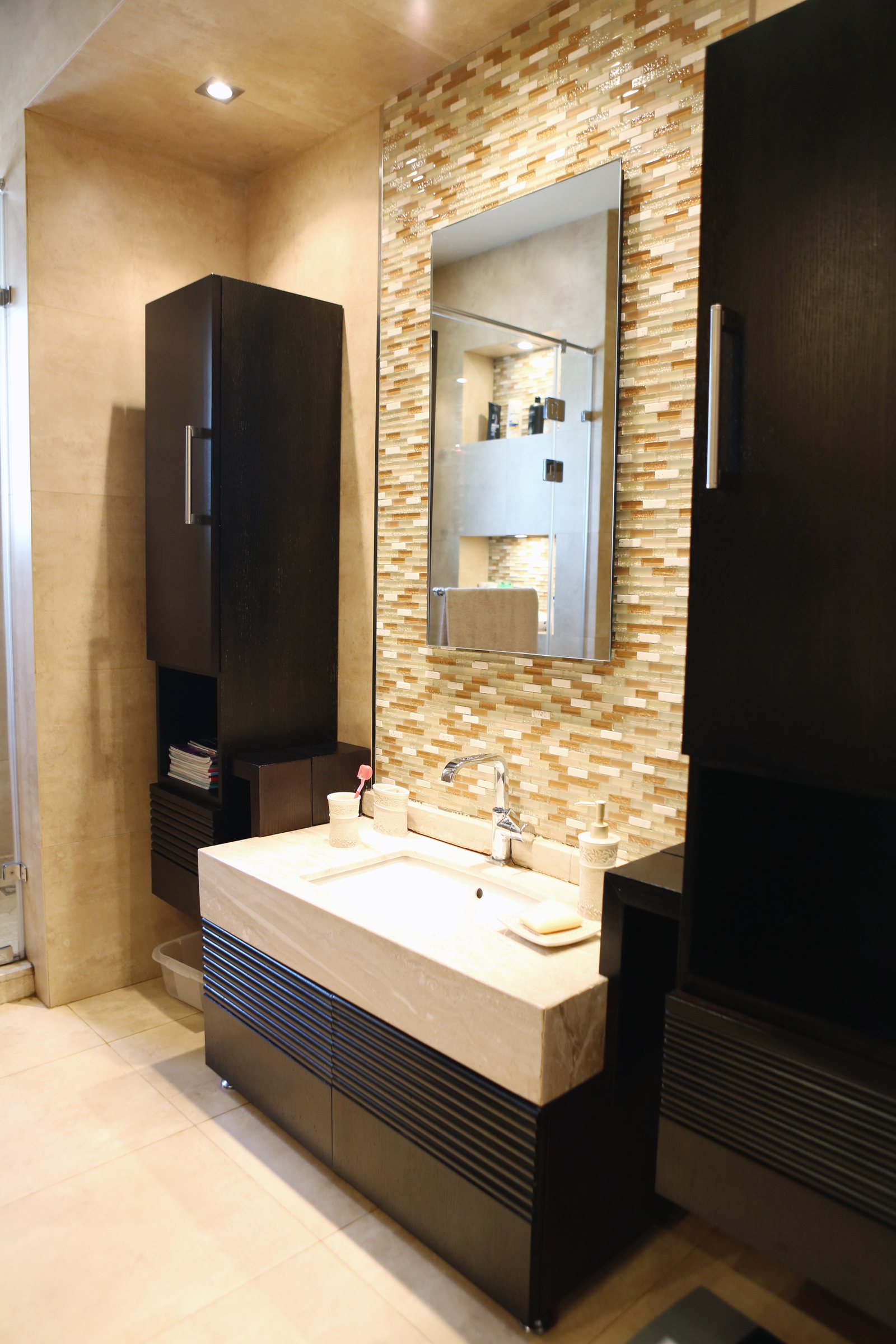
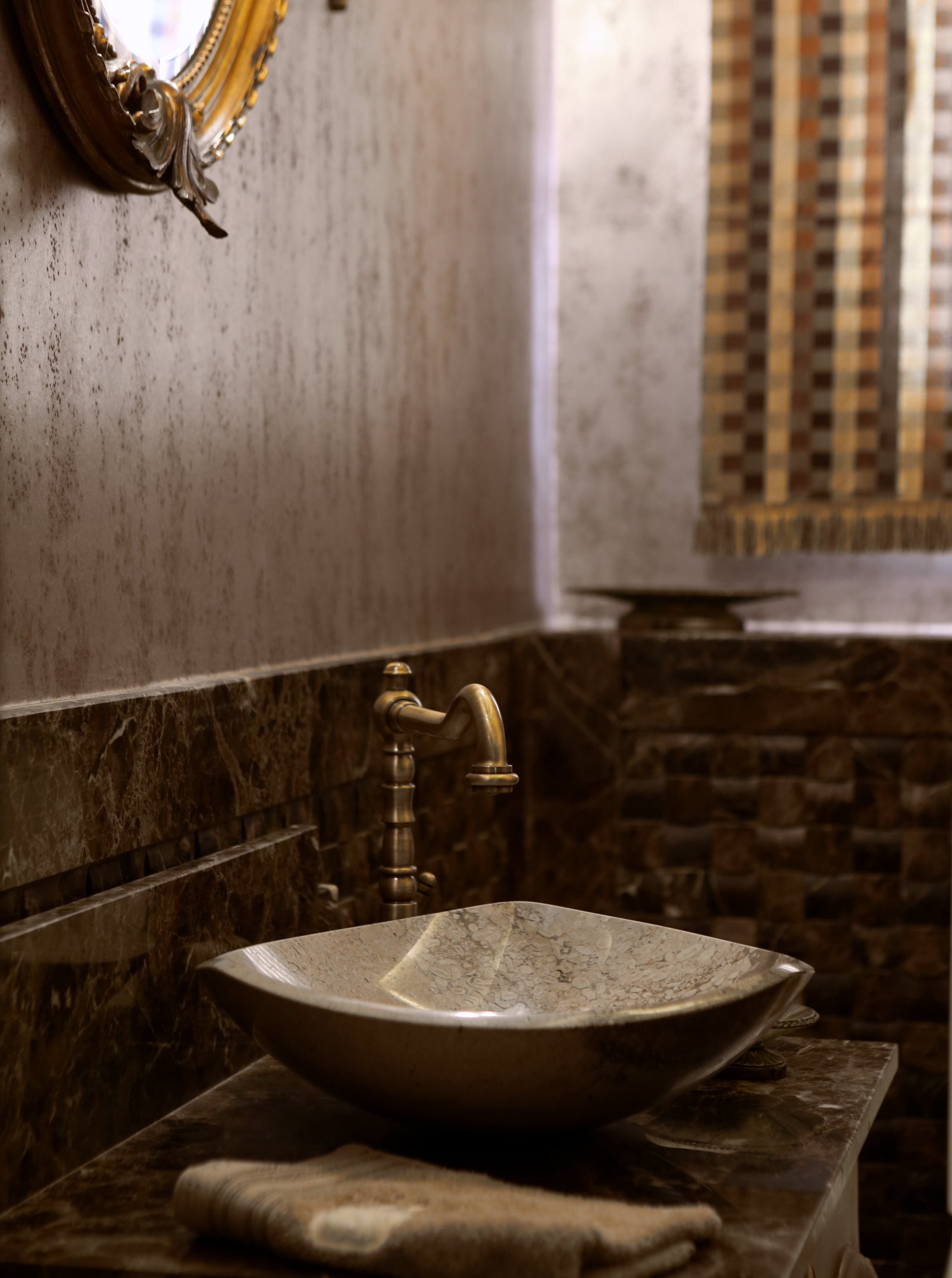
A lift was introduced to support mobility across floors without disrupting flow. The bathroom features dual-height sinks, designed to accommodate daily rituals such as wudu’, allowing ease and purpose to coexist.
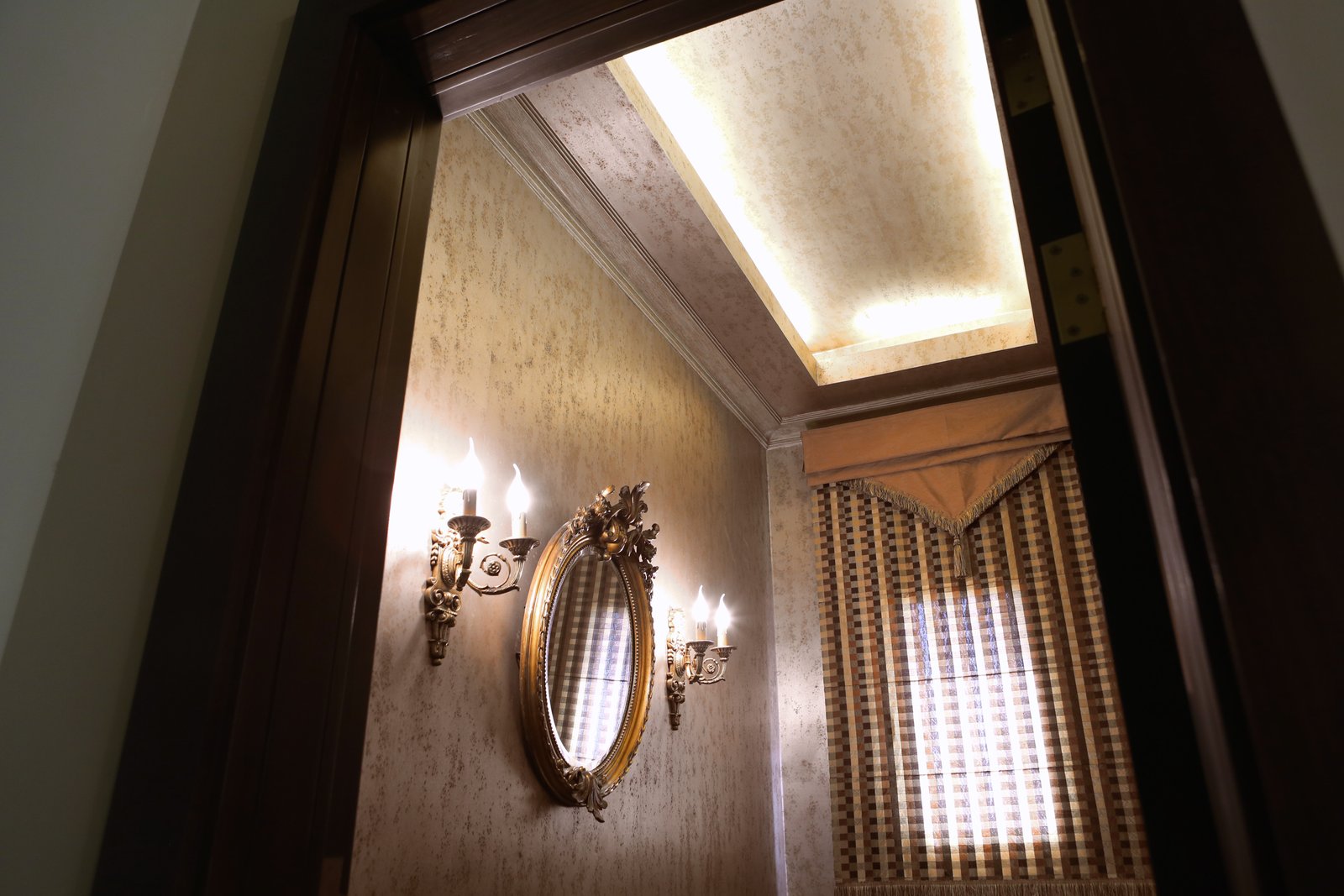
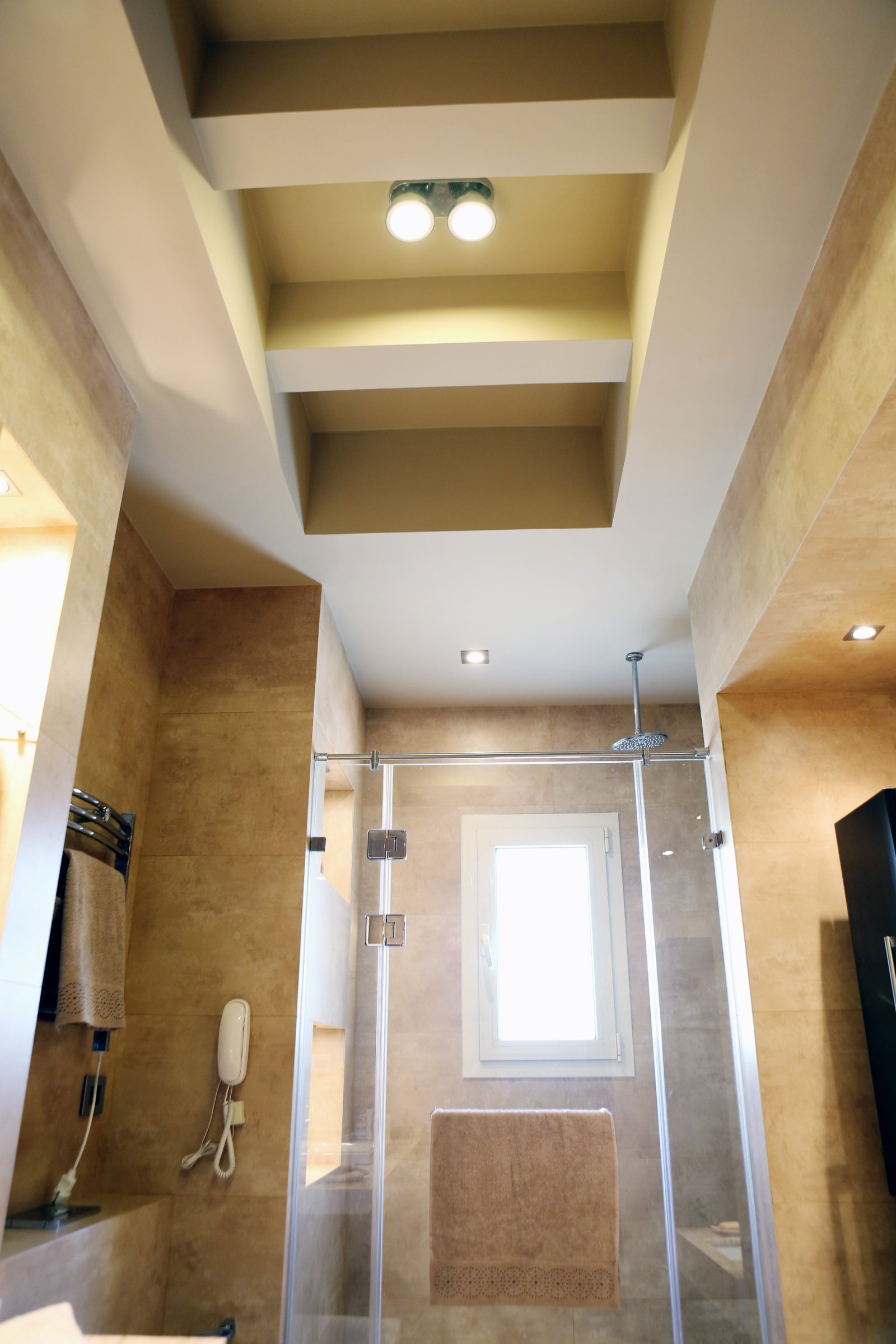
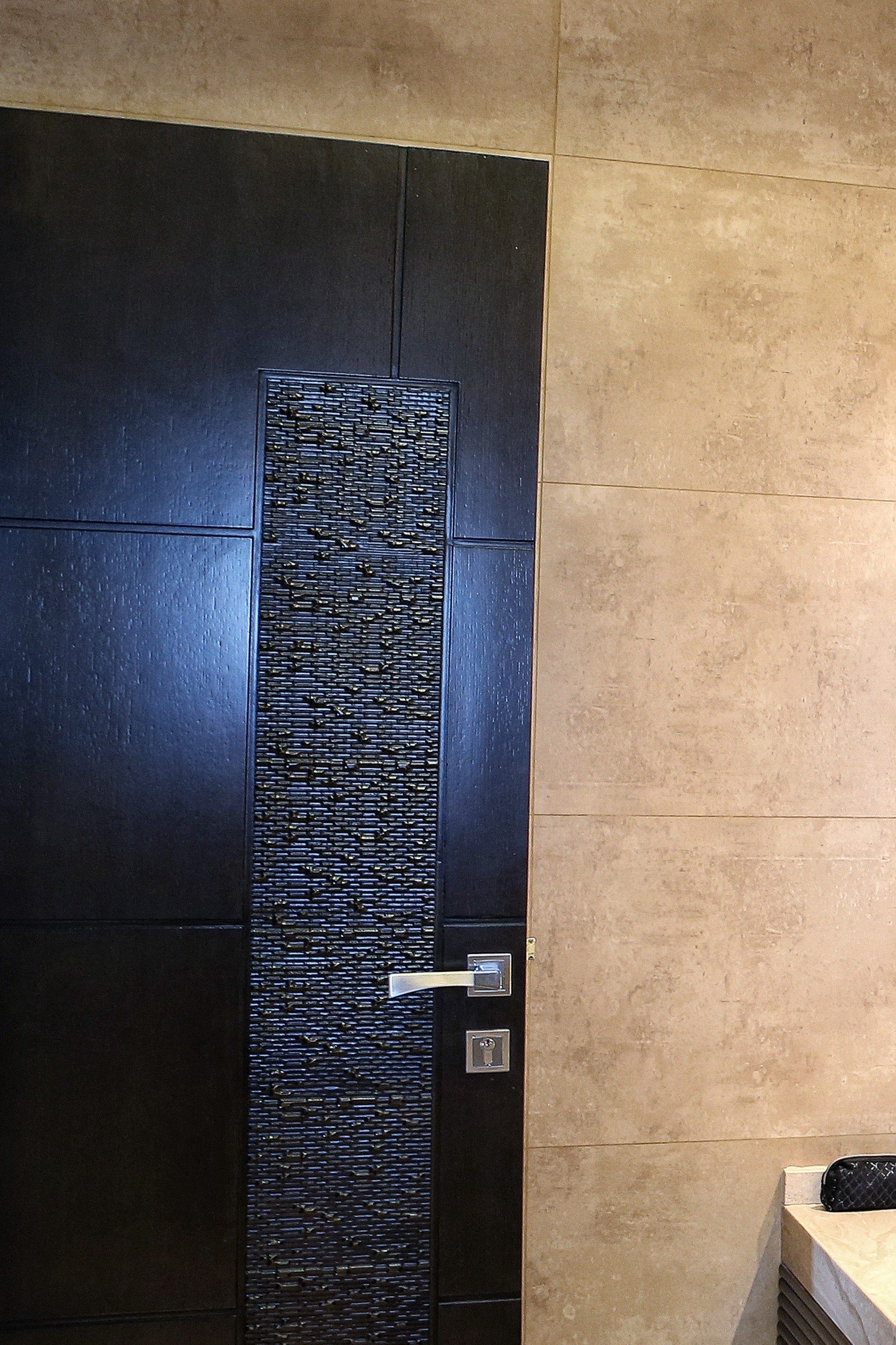
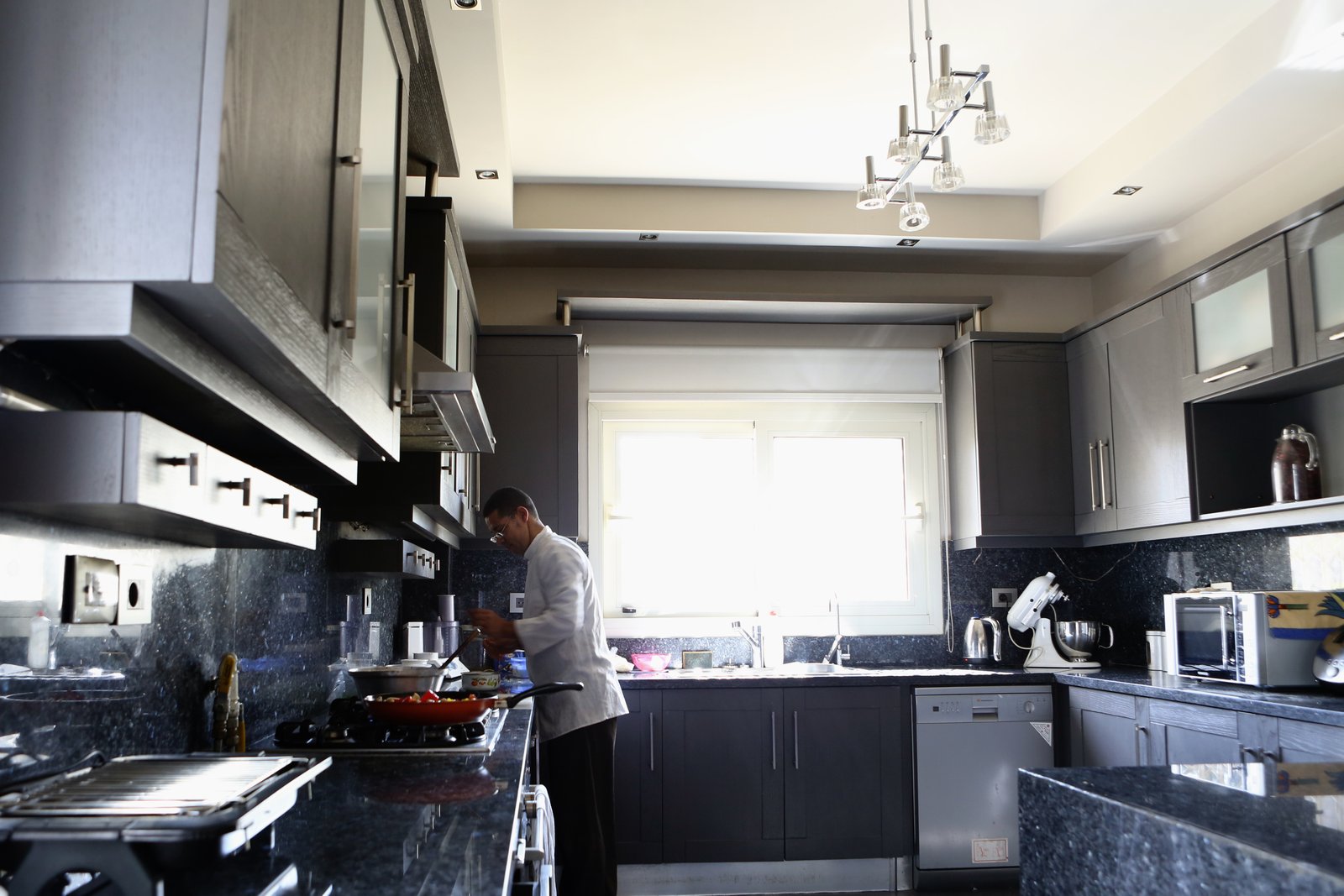
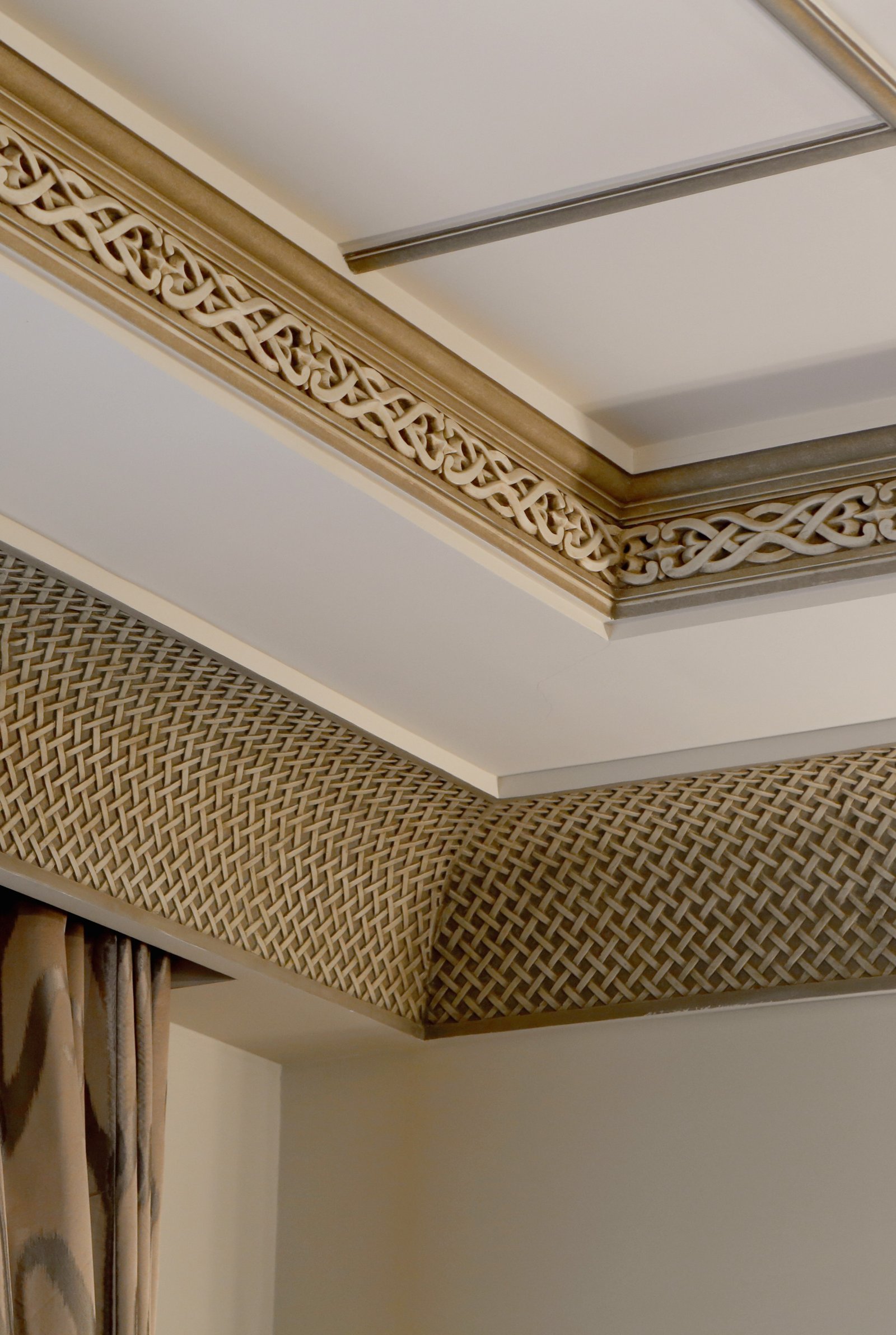
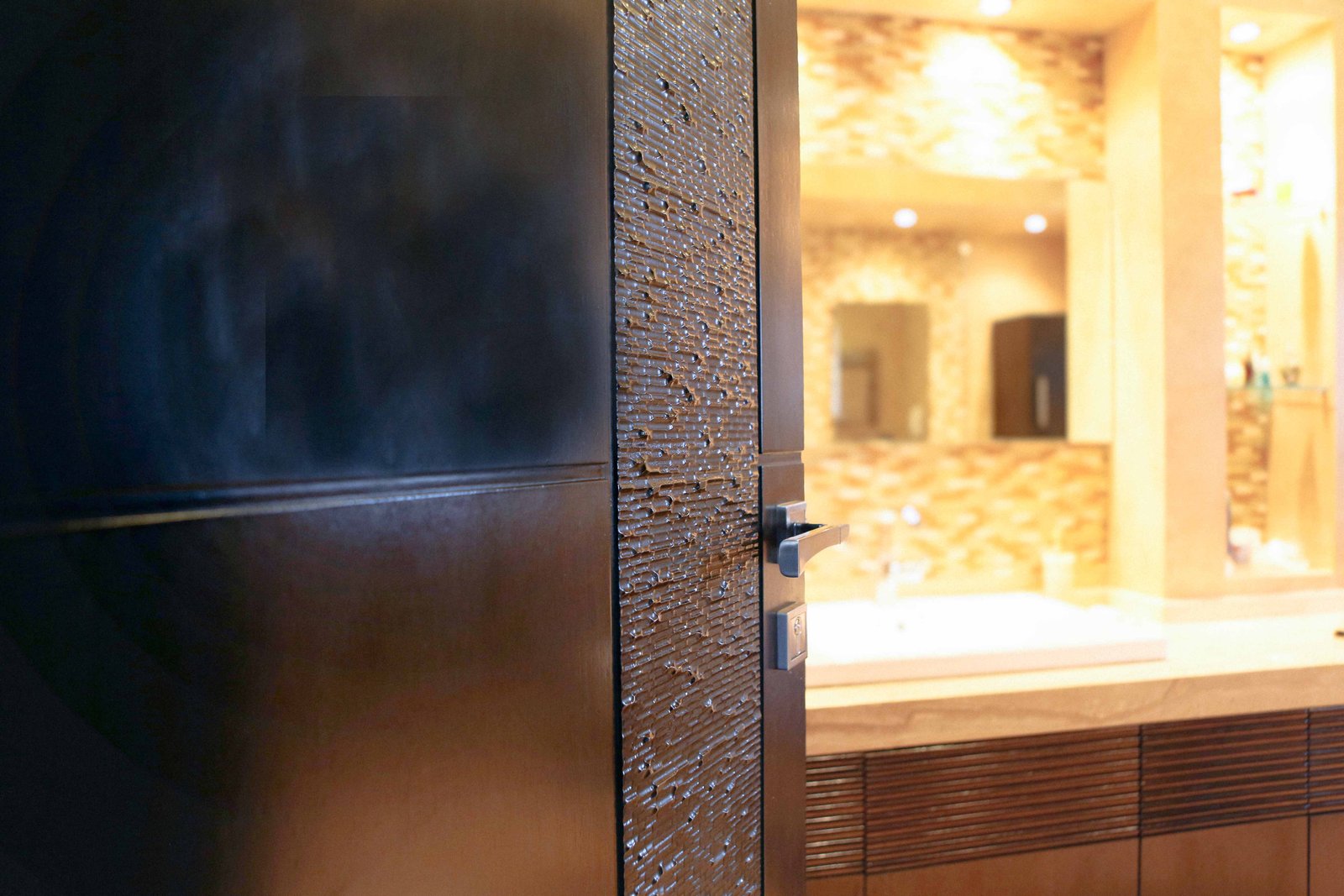
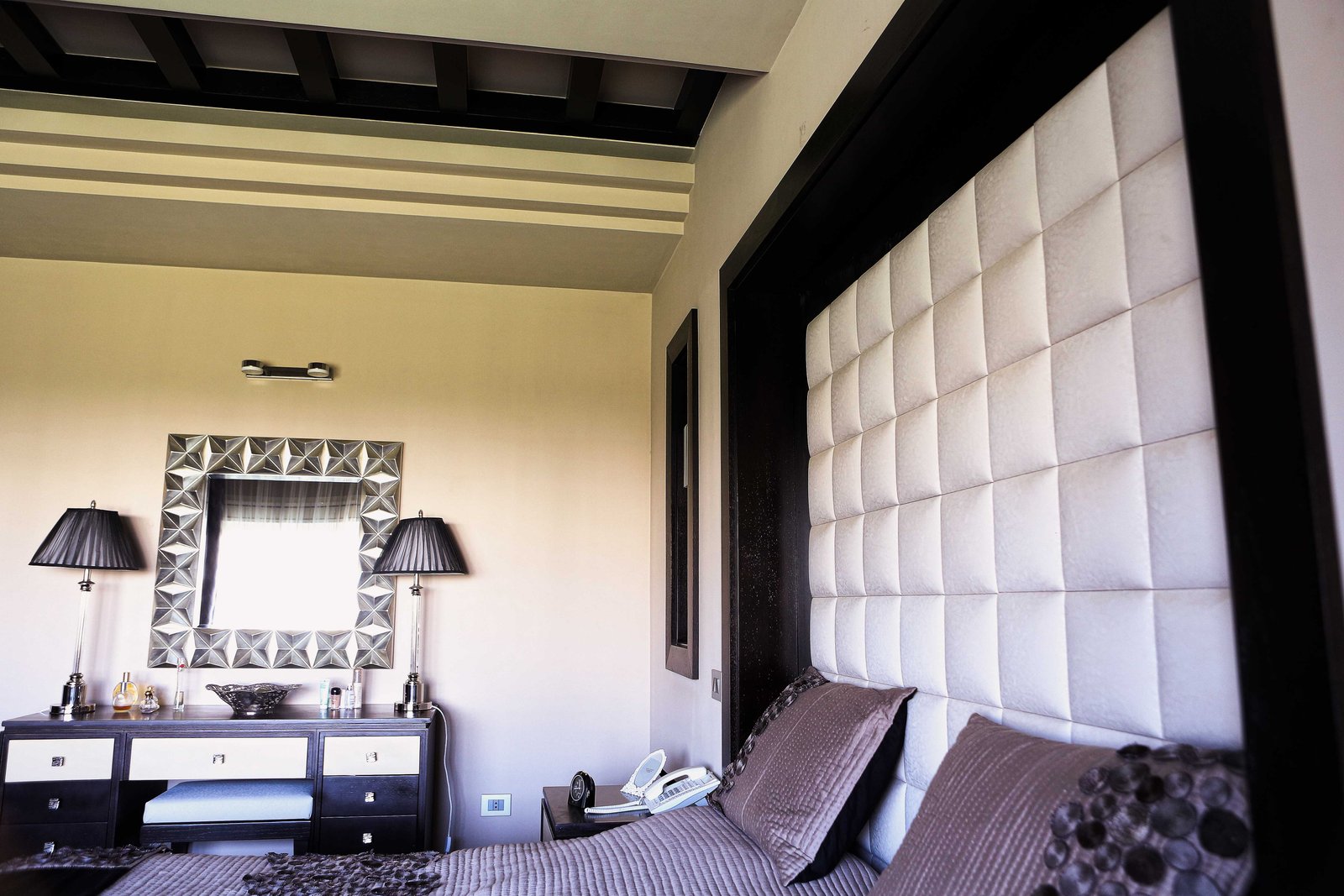
Finishes like hand-applied textures, custom lighting niches, and framed mirrors form a language of subtle care throughout the home.
A lift was introduced to support mobility across floors without disrupting flow. The bathroom features dual-height sinks, designed to accommodate daily rituals such as wudu’, allowing ease and purpose to coexist.
Finishes like hand-applied textures, custom lighting niches, and framed mirrors form a language of subtle care throughout the home.
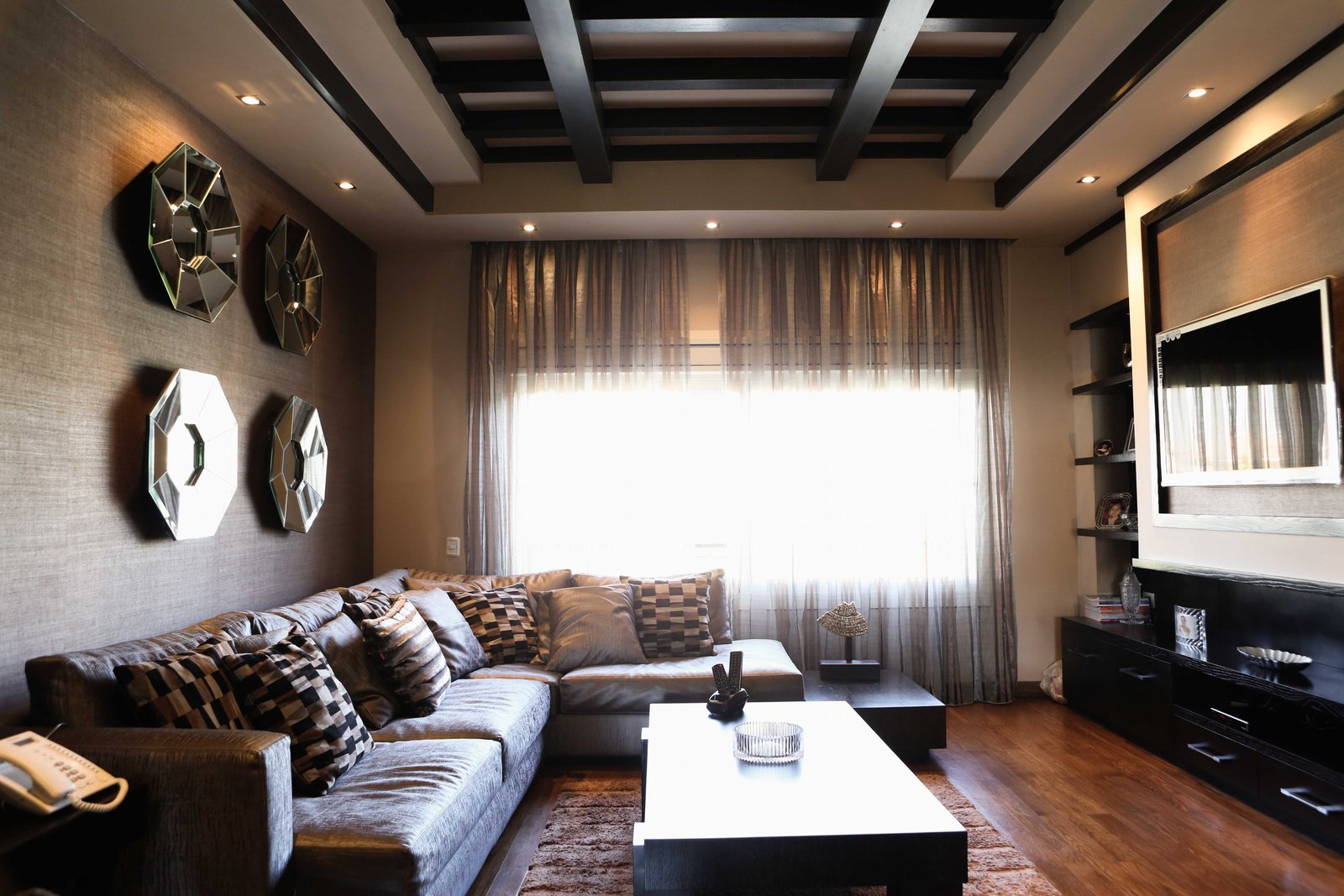
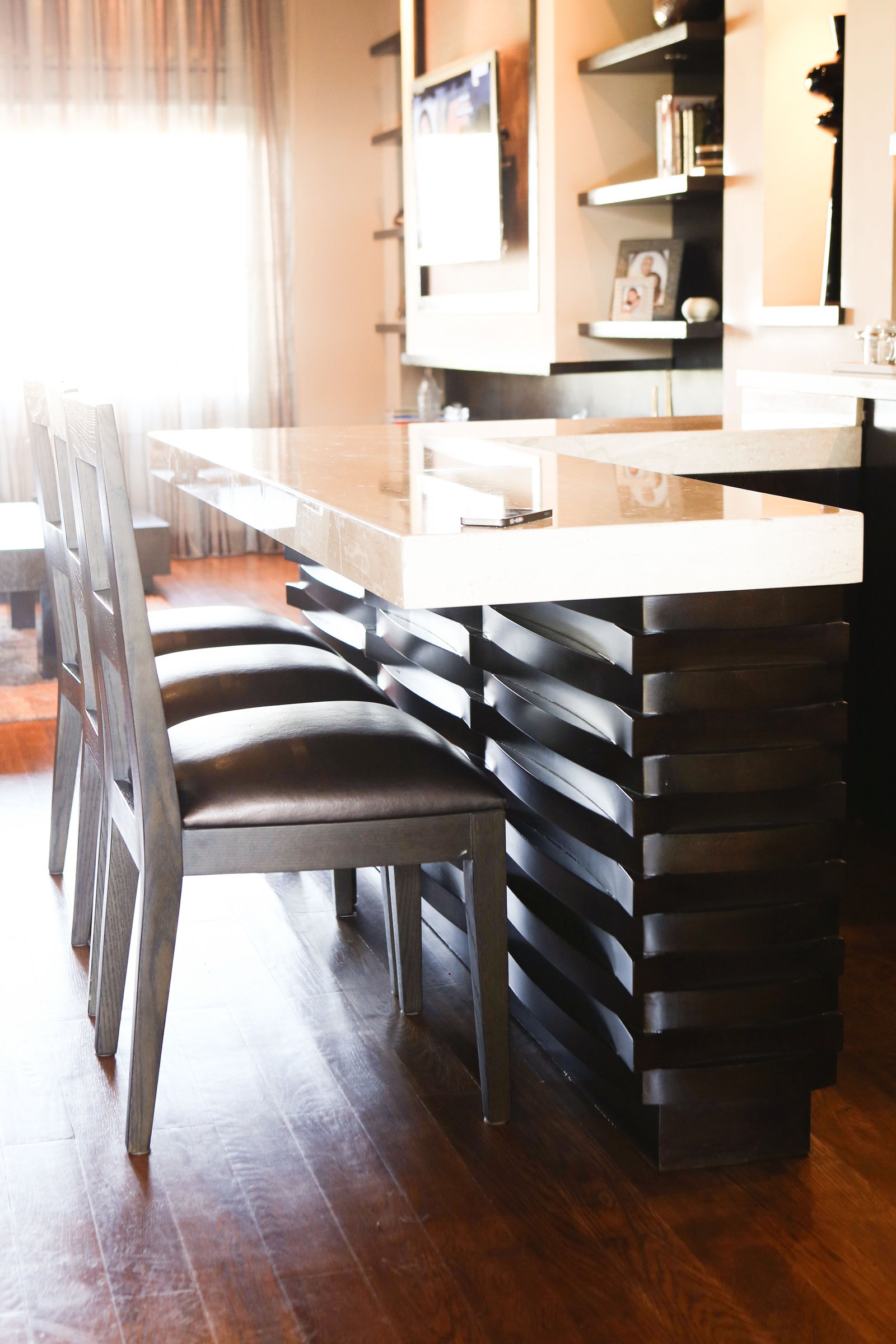
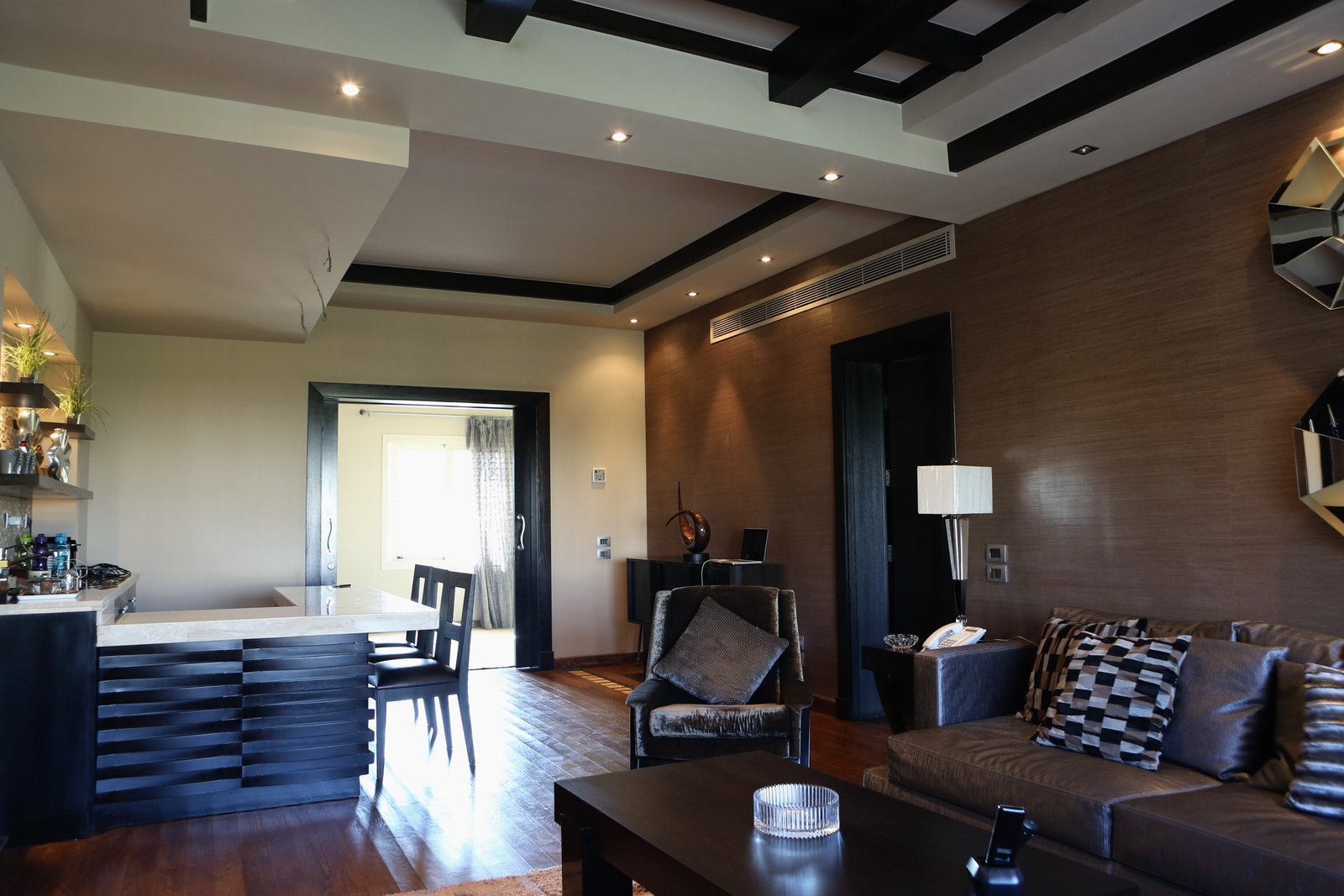
In the family lounge, a more contemporary atmosphere takes shape.
Neutral tones, soft upholstery, and decorative mirrors create a setting that feels fresh but familiar.
The living room is designed not around a television, but around presence — sofas arranged to invite conversation, light layered to shift from day to evening without losing mood.
This space reflects the family’s desire to embrace something new — while staying anchored in the familiar.
The living room is designed not around a television, but around presence — sofas arranged to invite conversation, light layered to shift from day to evening without losing mood.
This space reflects the family’s desire to embrace something new — while staying anchored in the familiar.
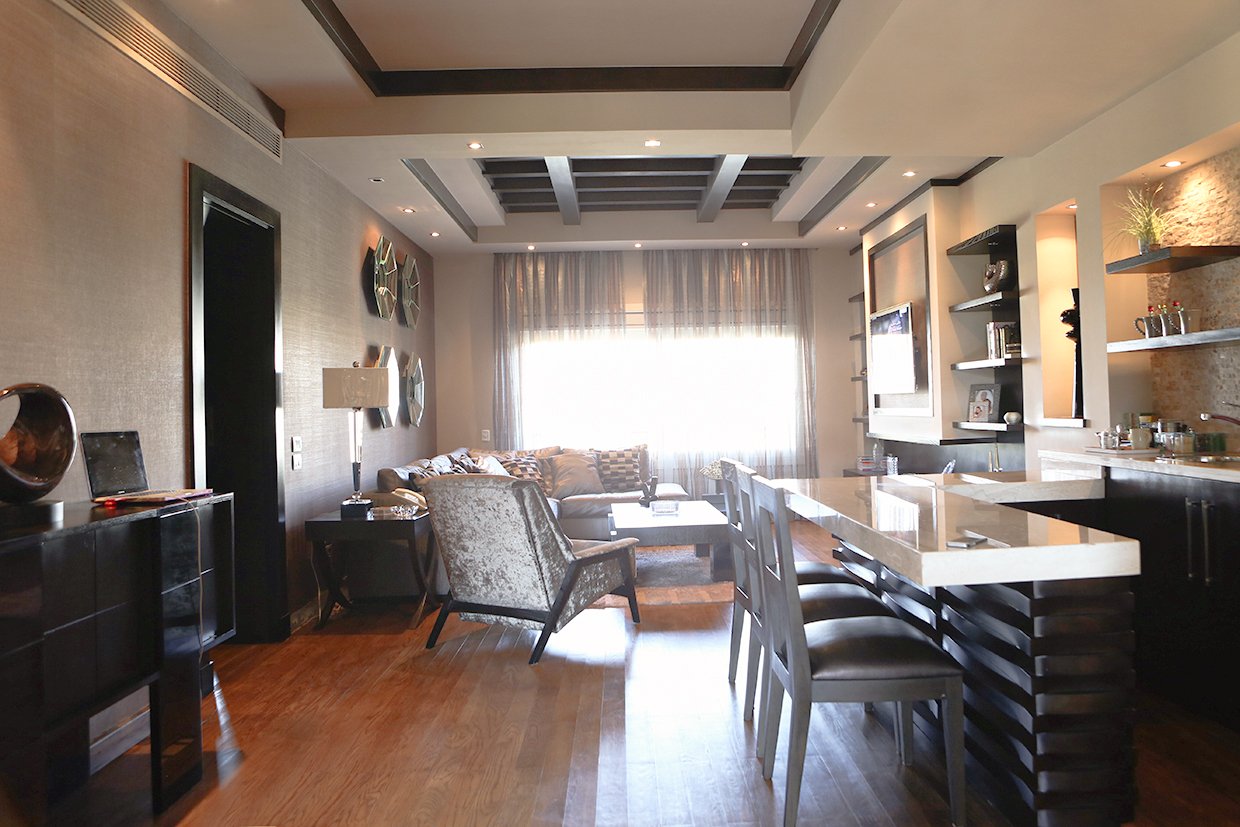
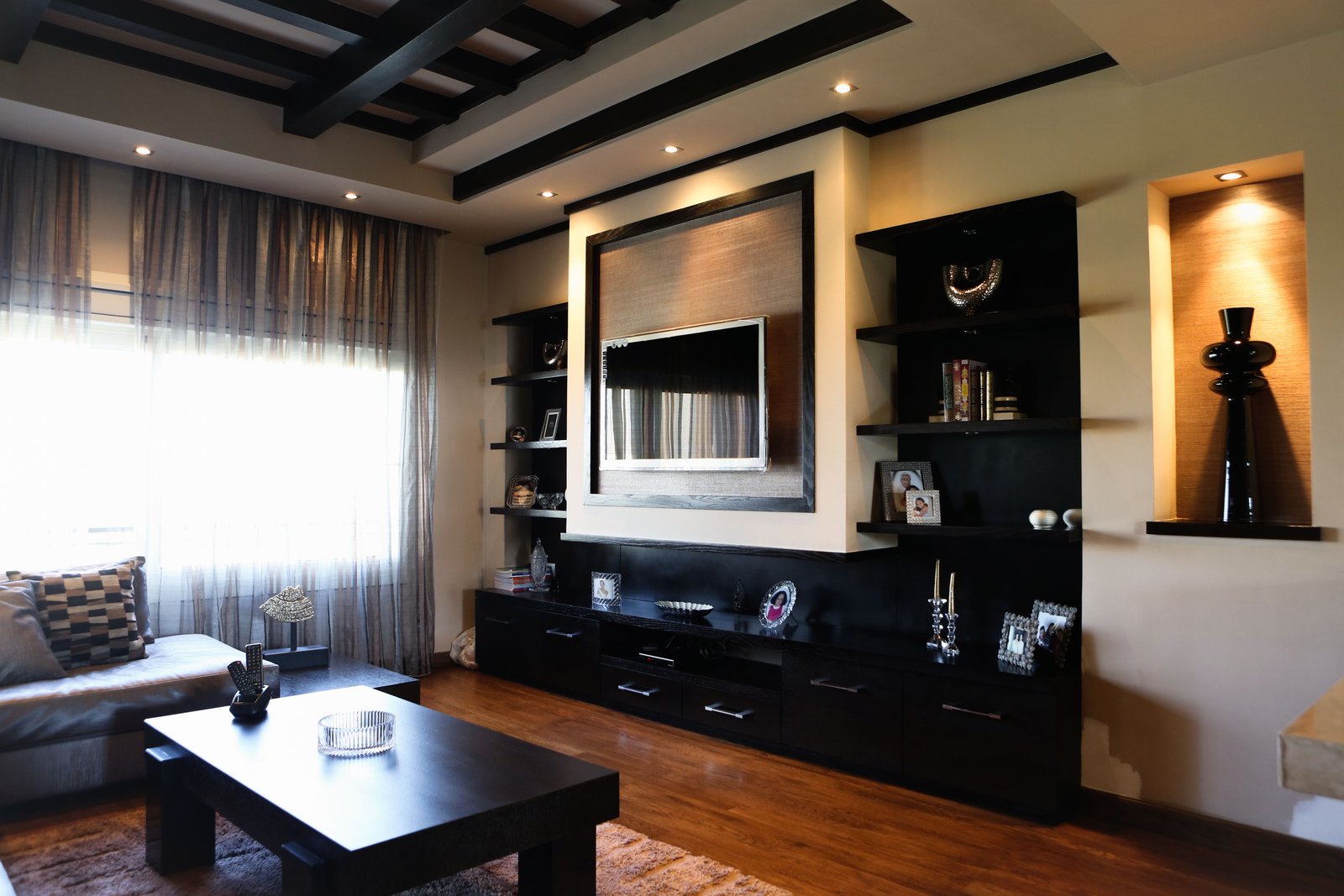
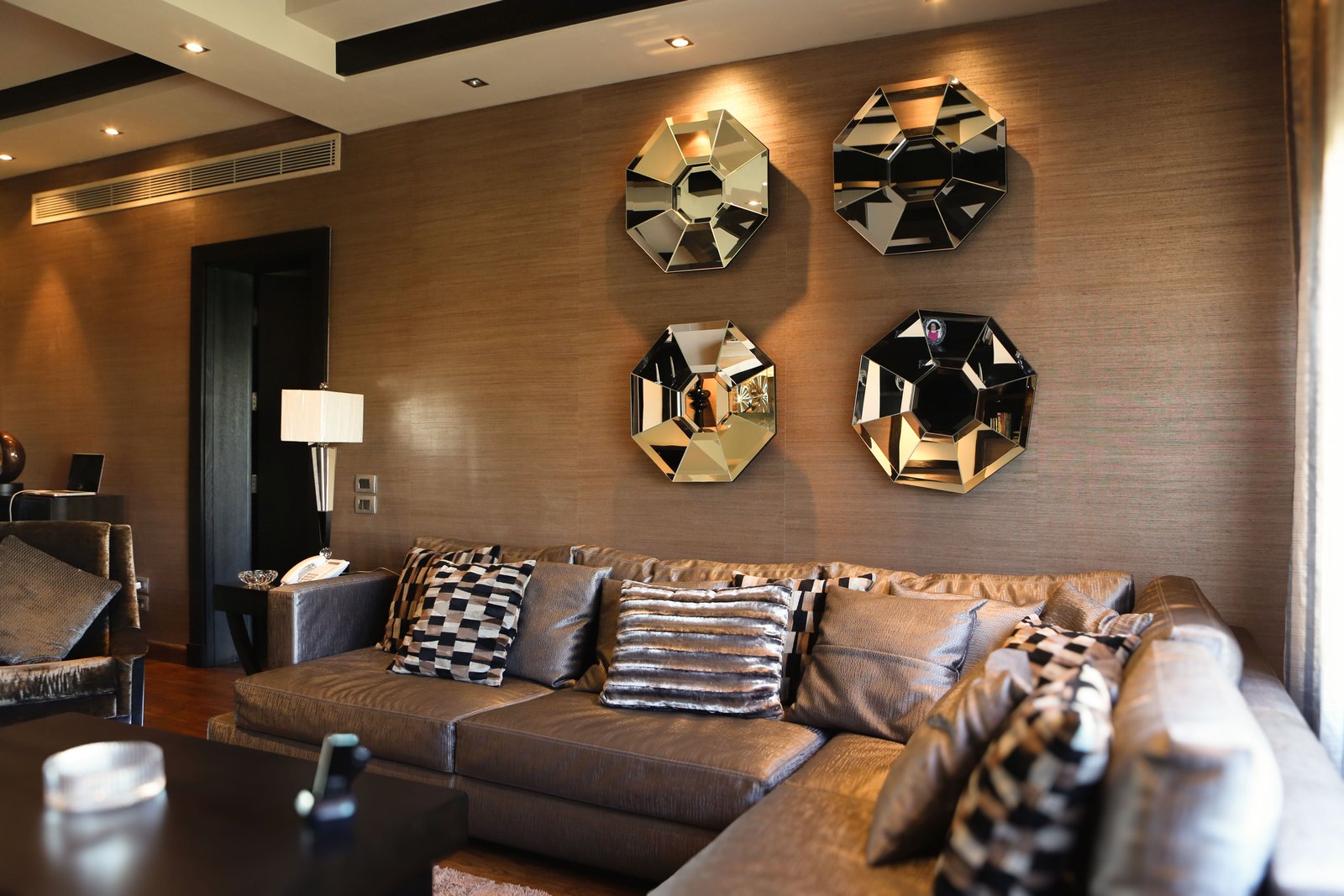
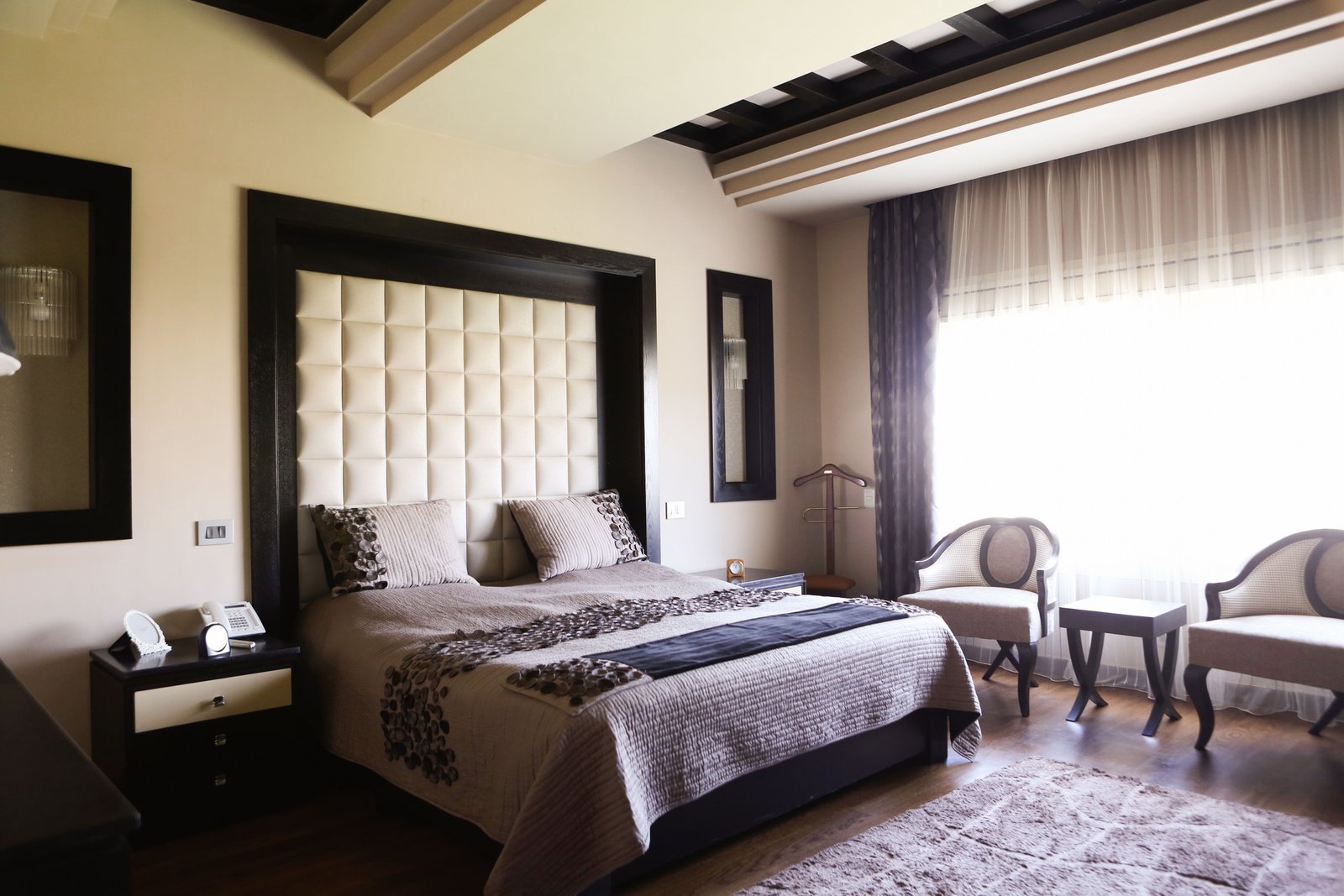
Materials were chosen not for contrast, but for cohesion:
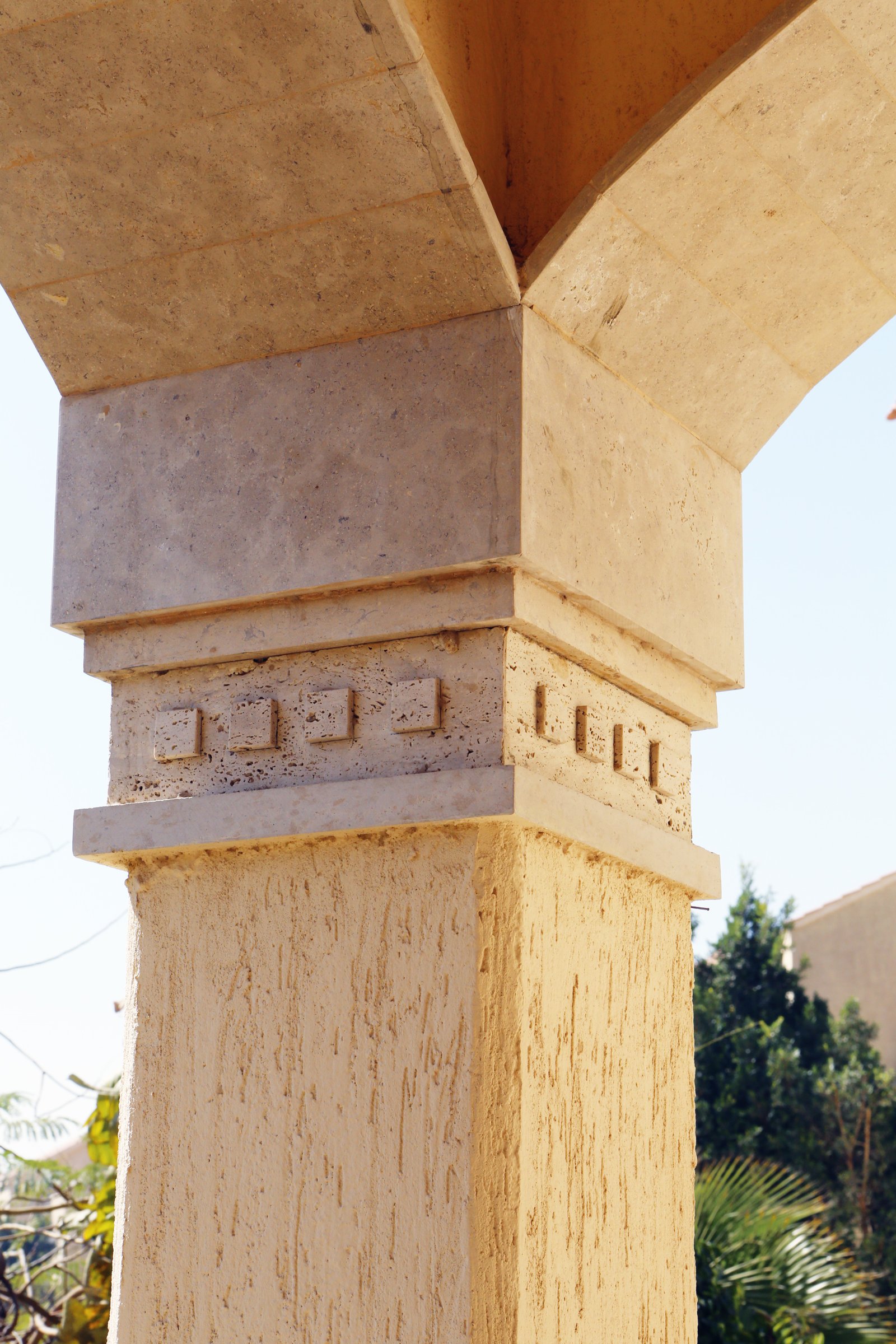
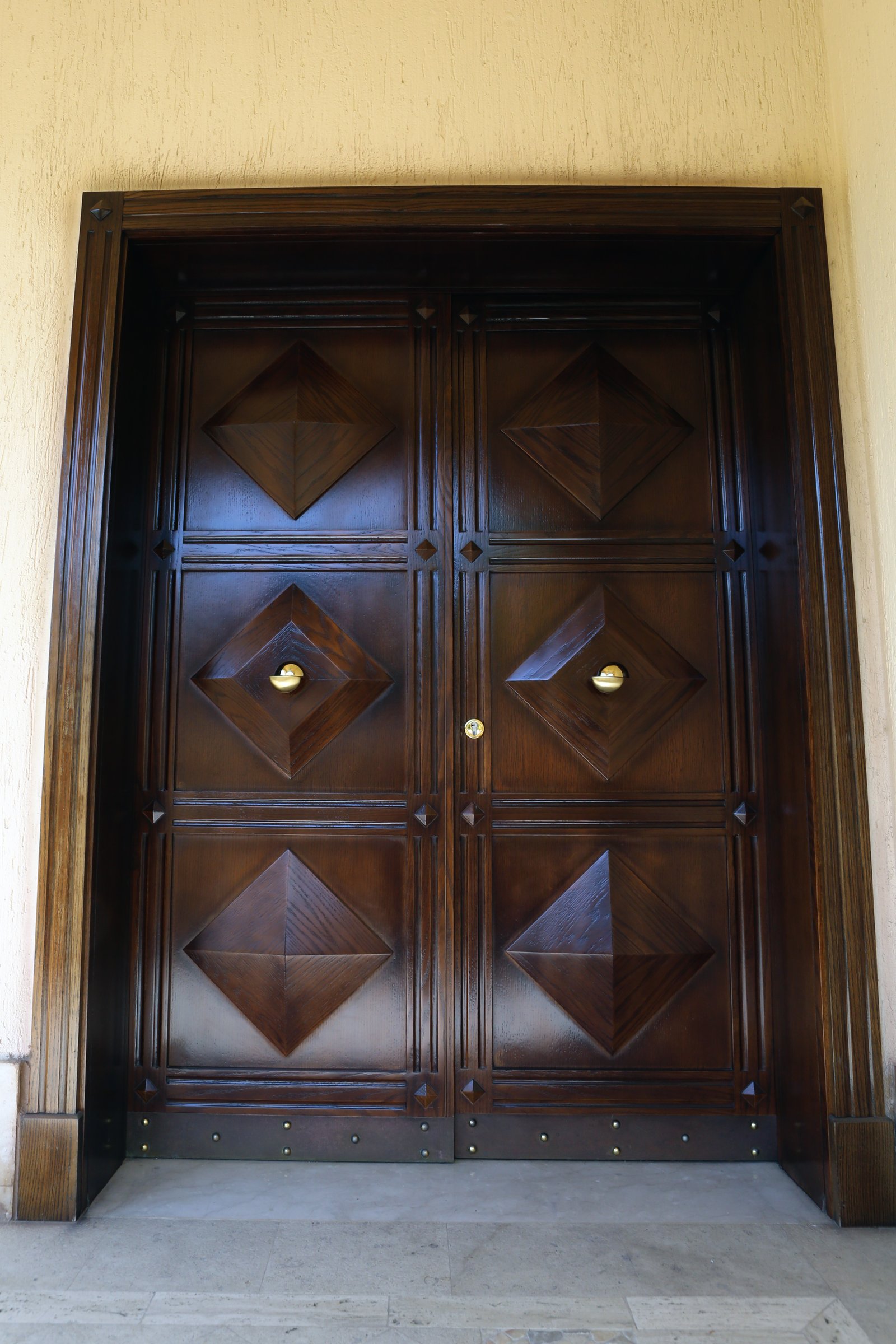
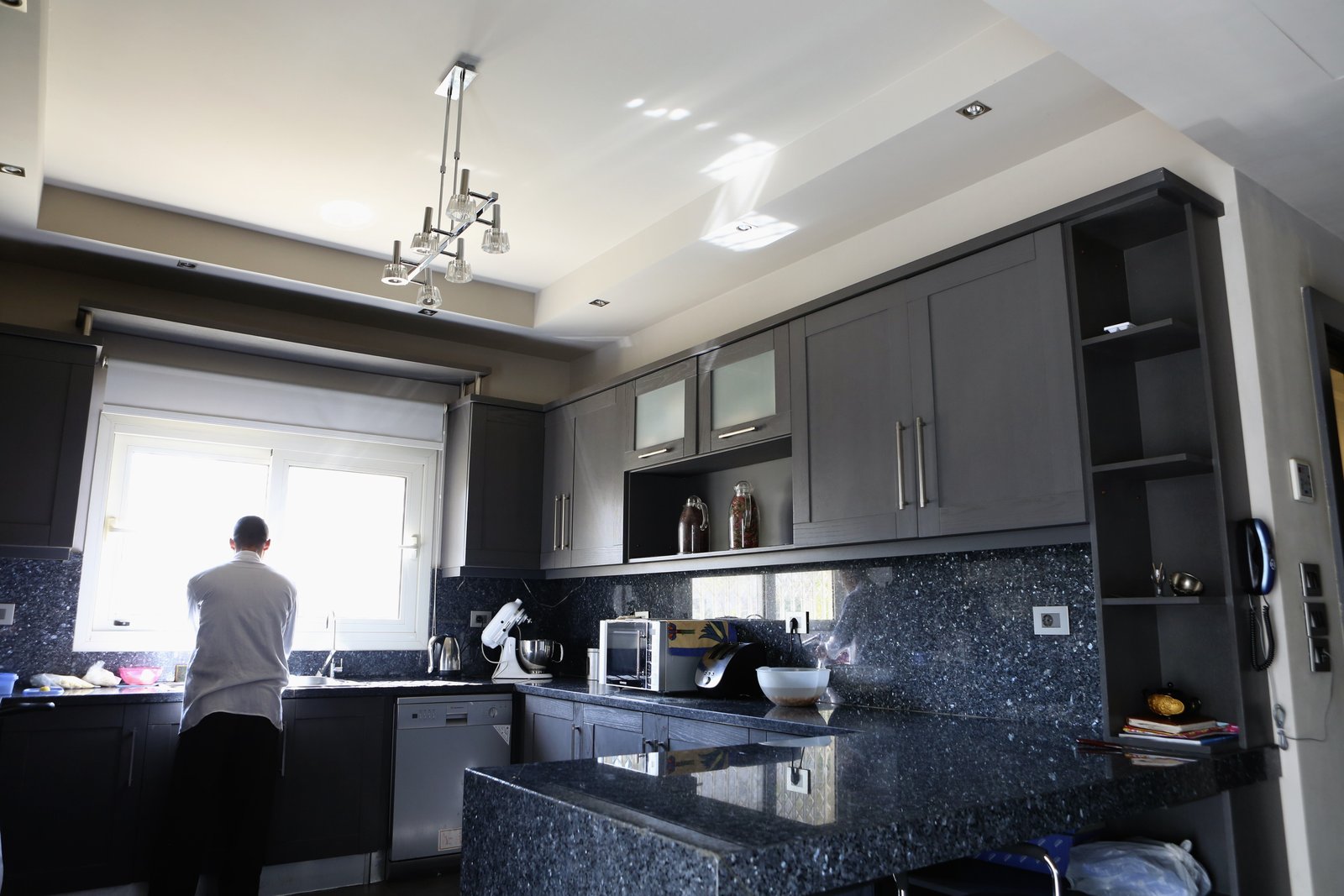
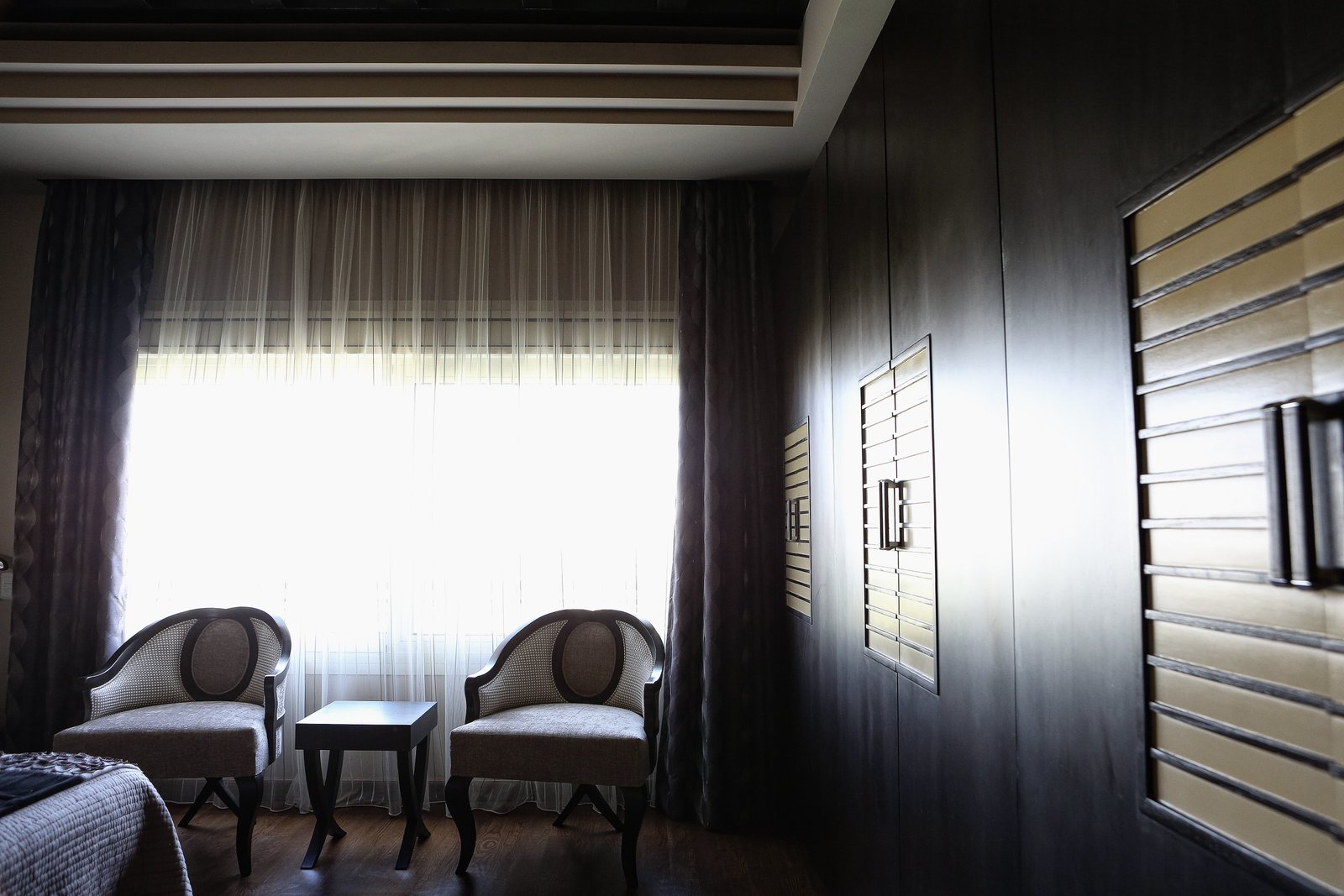
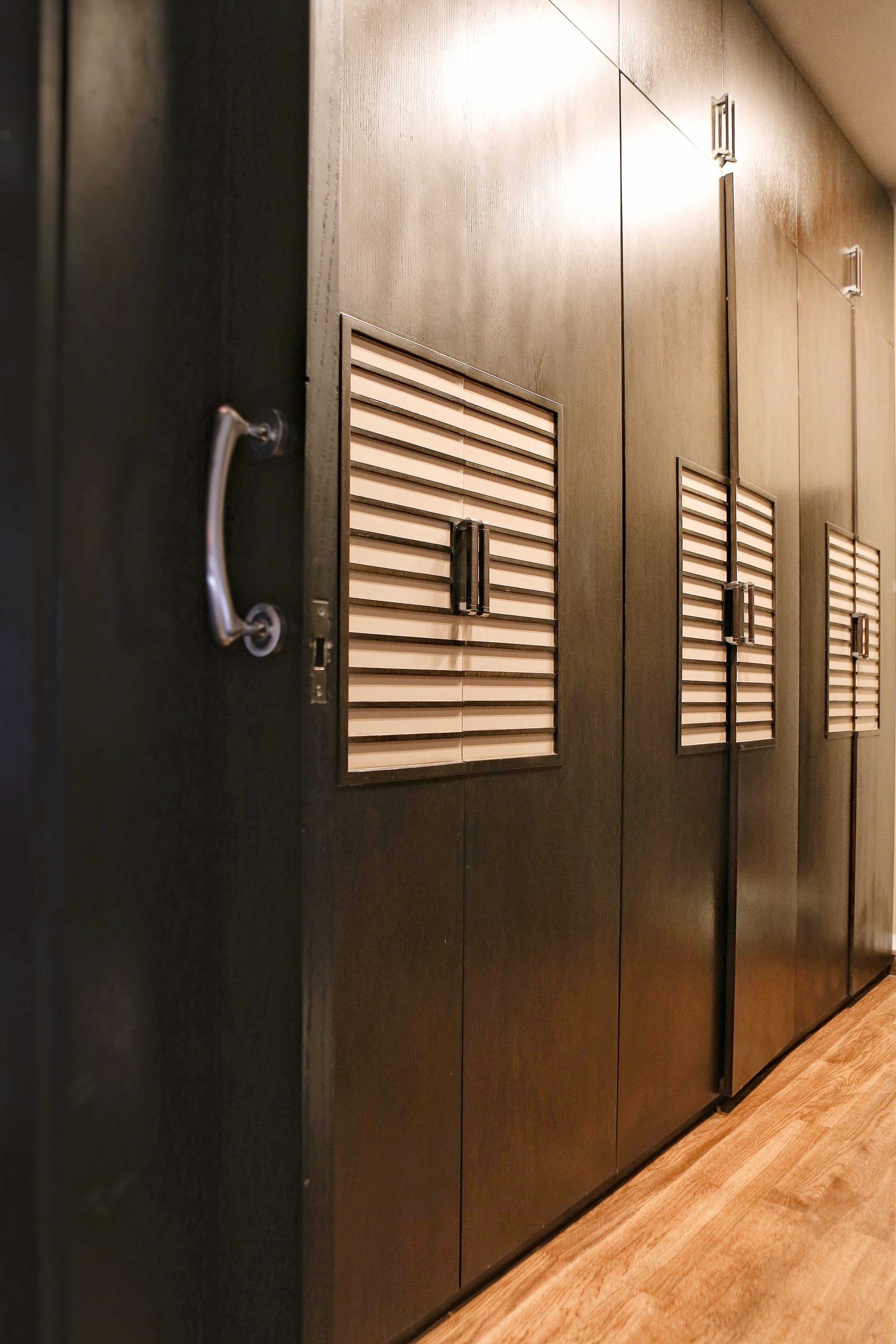
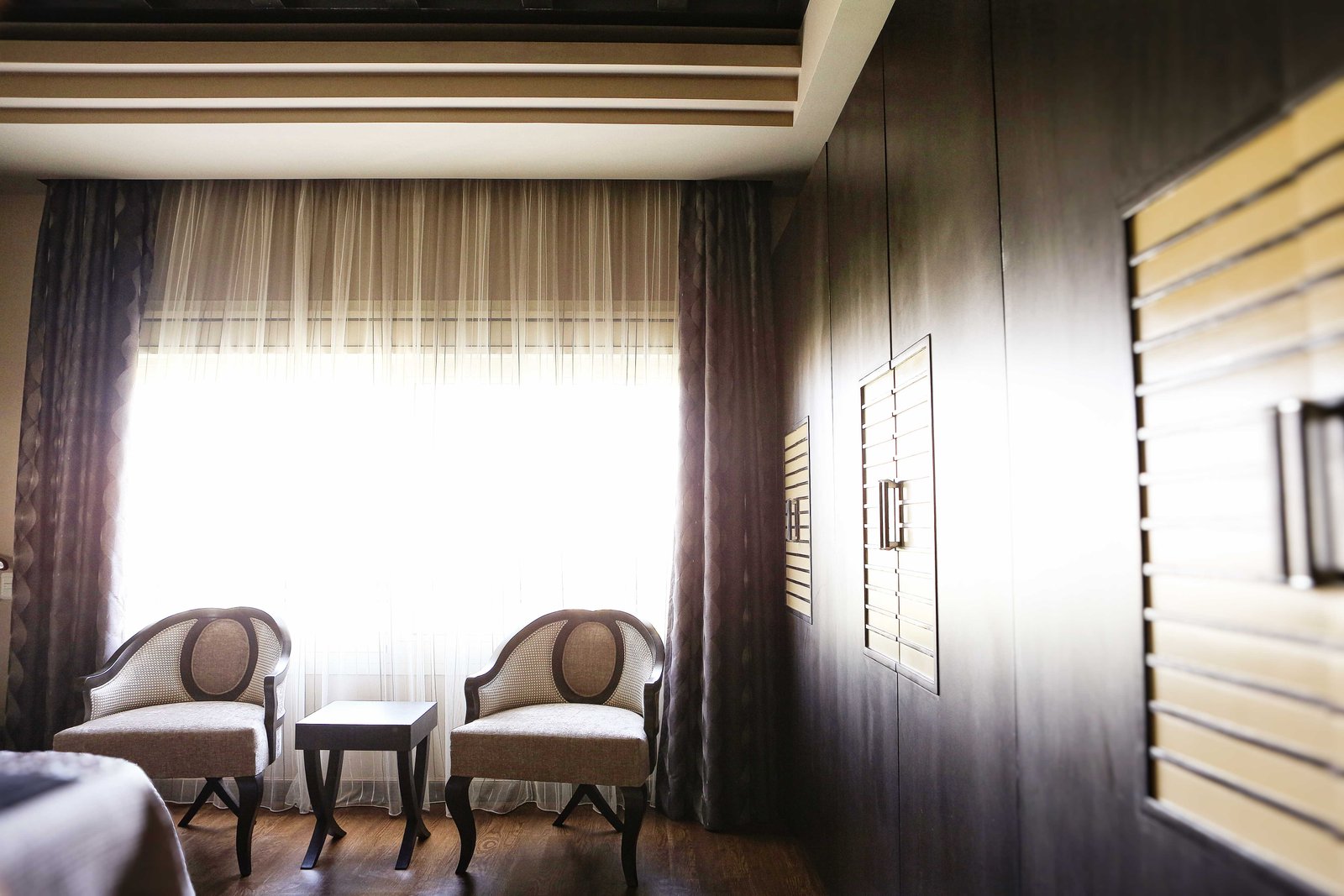
Stone, wood, and brushed metals blend with soft fabrics, hand-selected artwork, and personal objects.
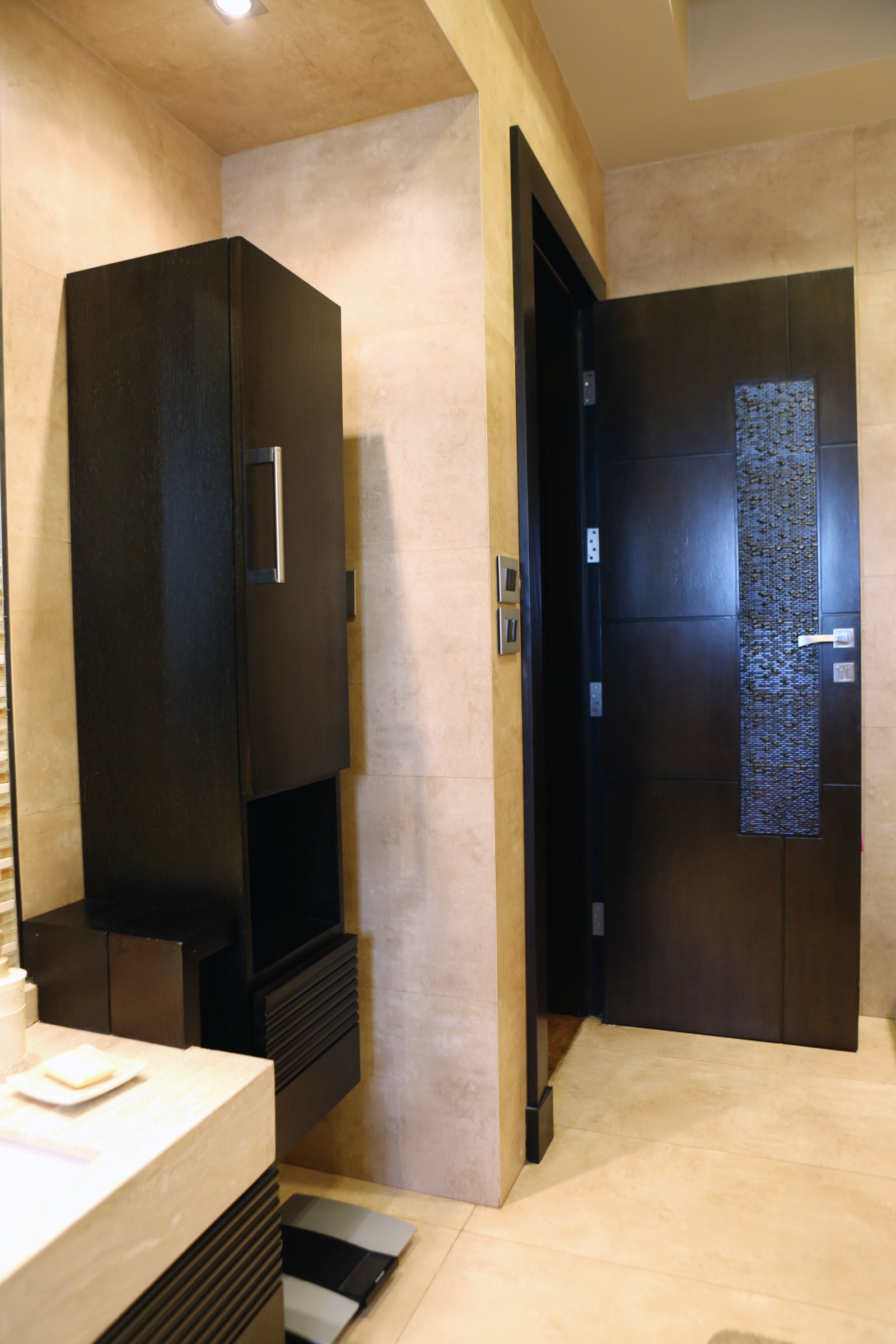
The tactile quality of the home allows every surface to feel lived-in — not showroom-perfect, but emotionally present.
The tactile quality of the home allows every surface to feel lived-in — not showroom-perfect, but emotionally present.
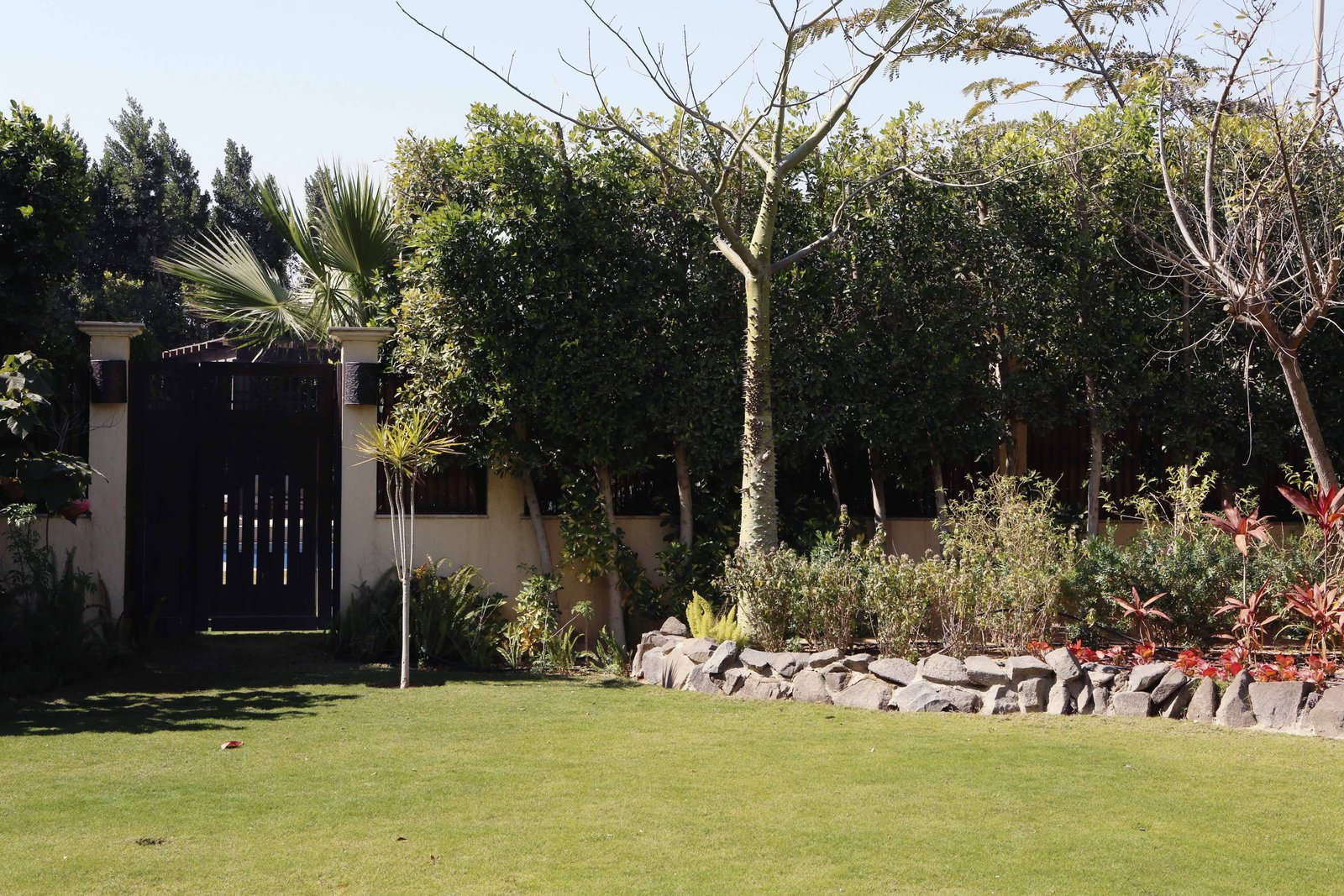
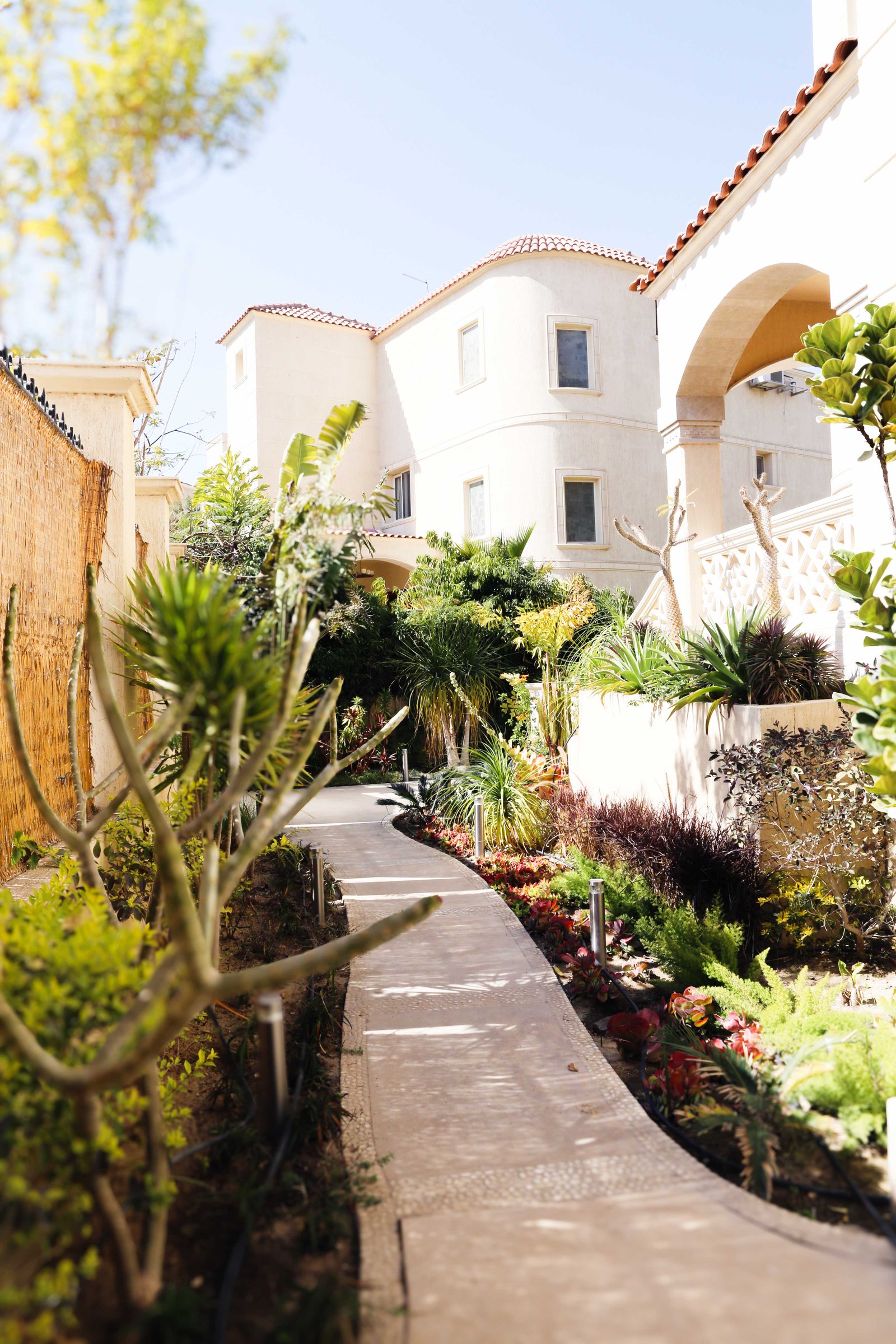
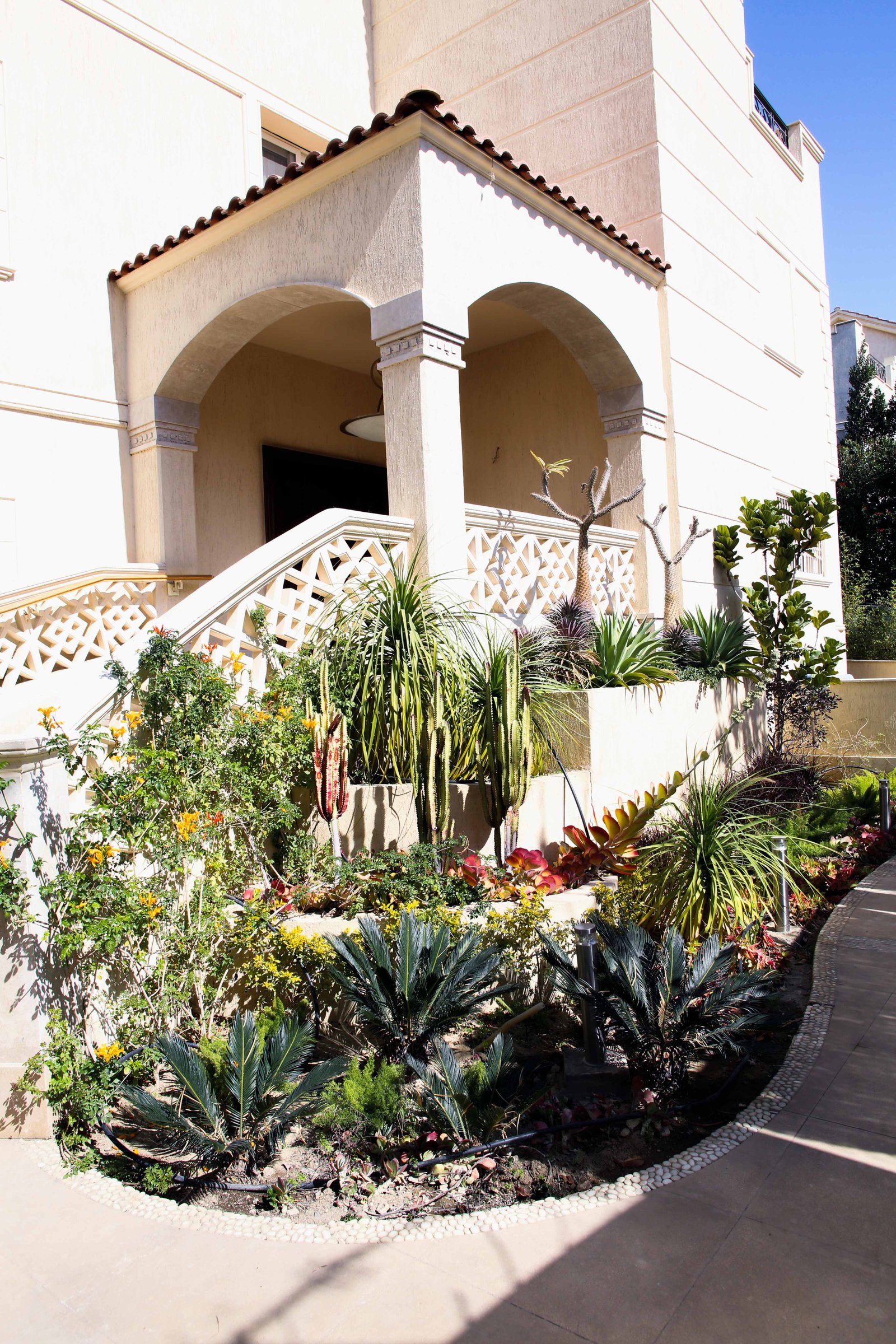
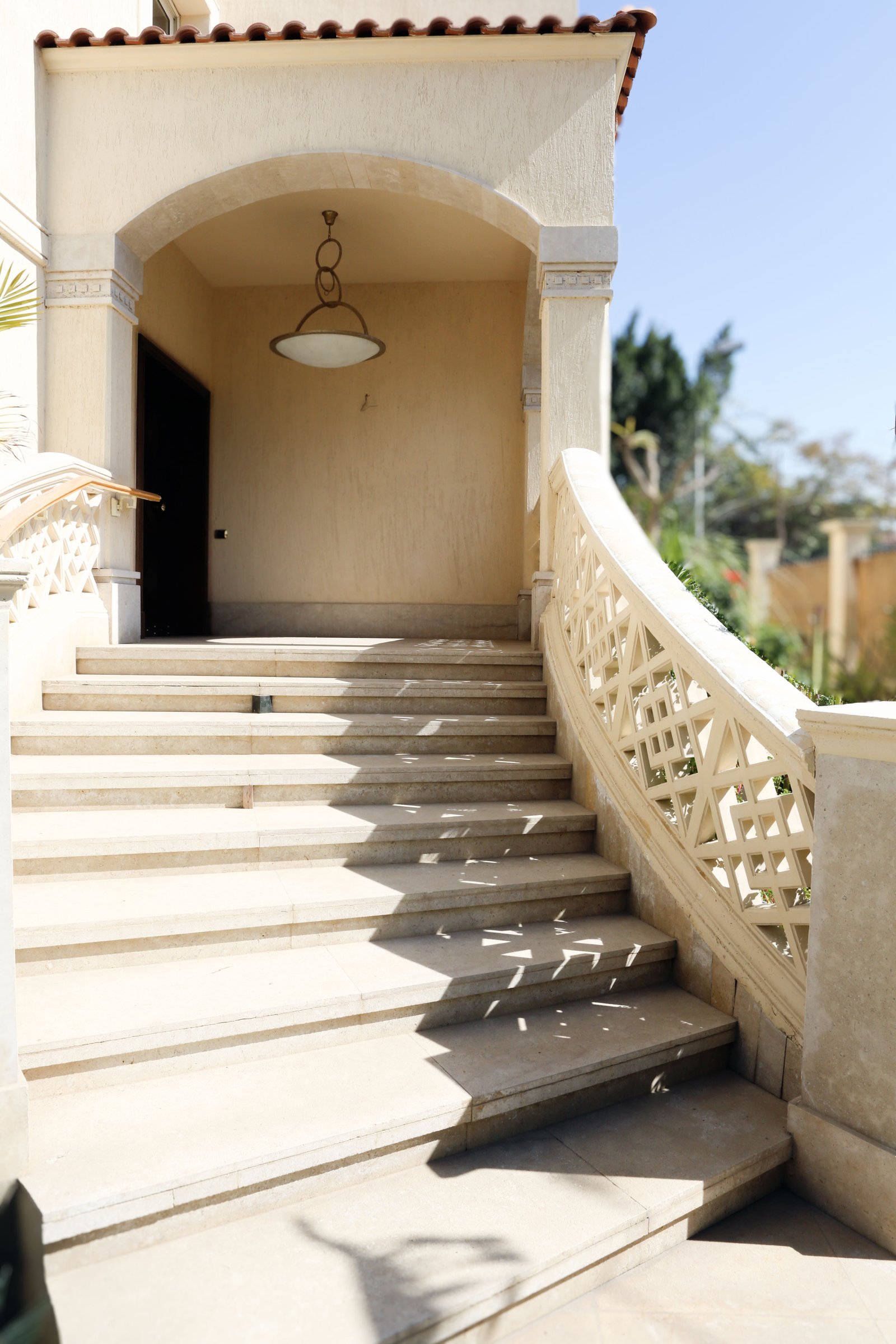
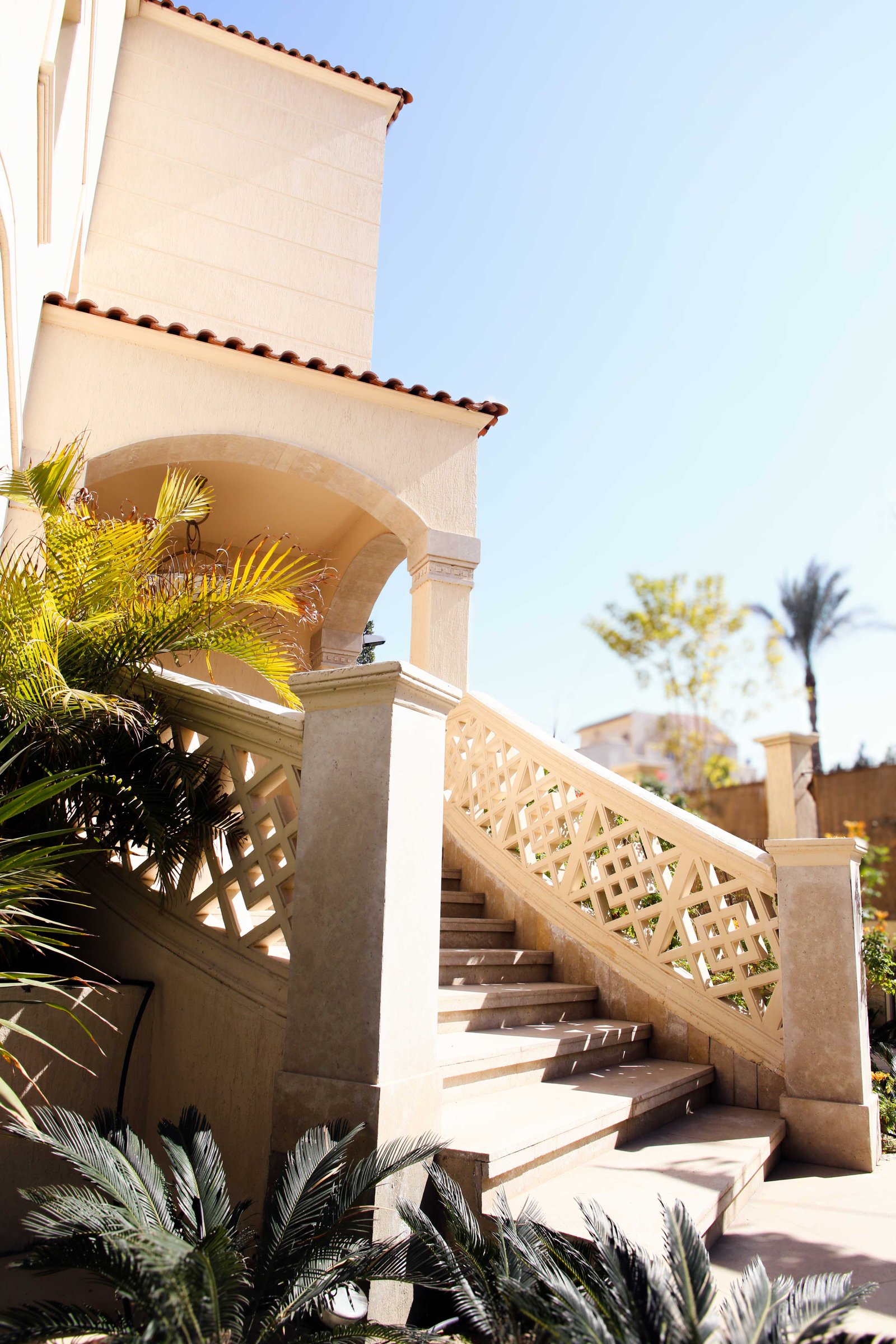
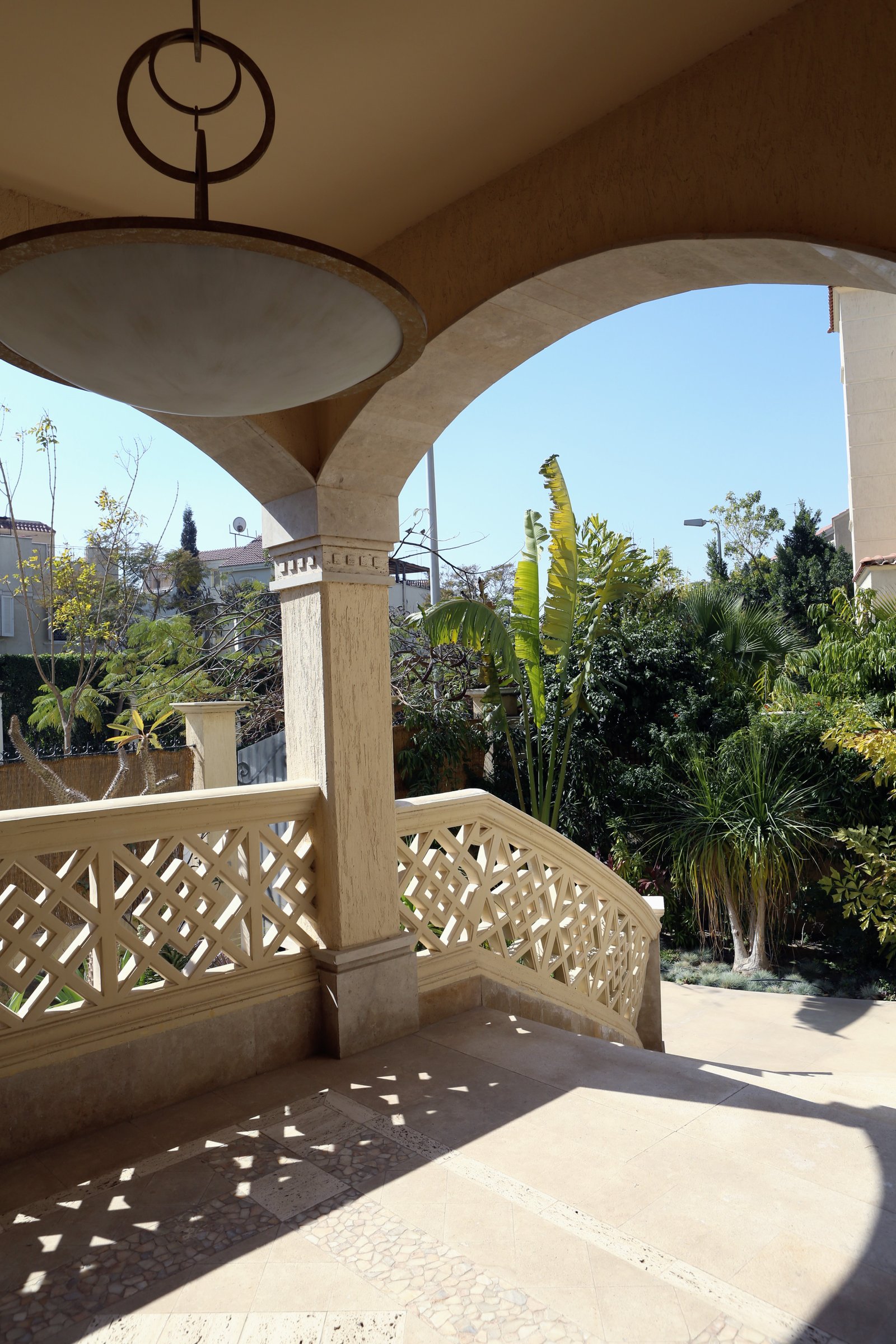
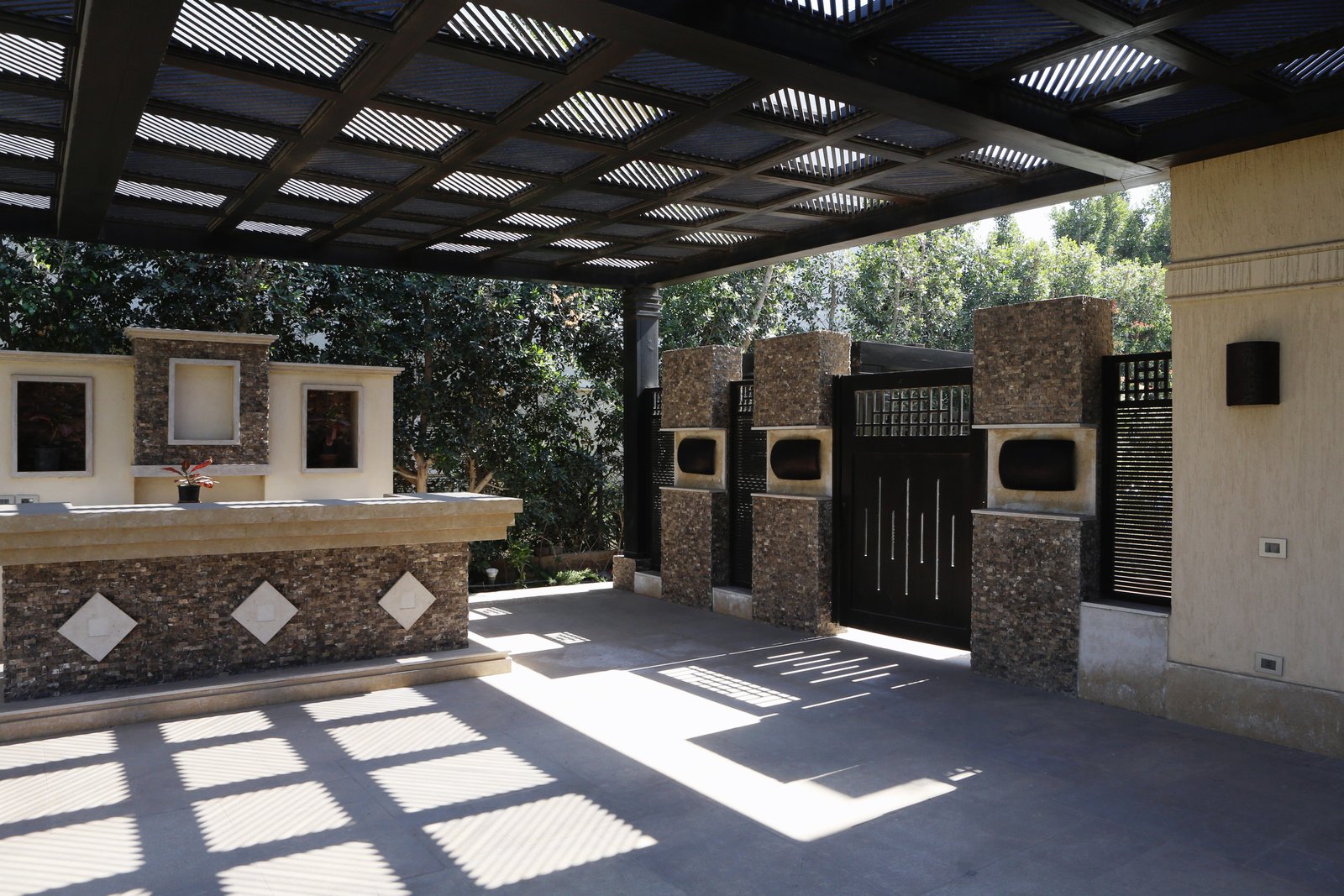
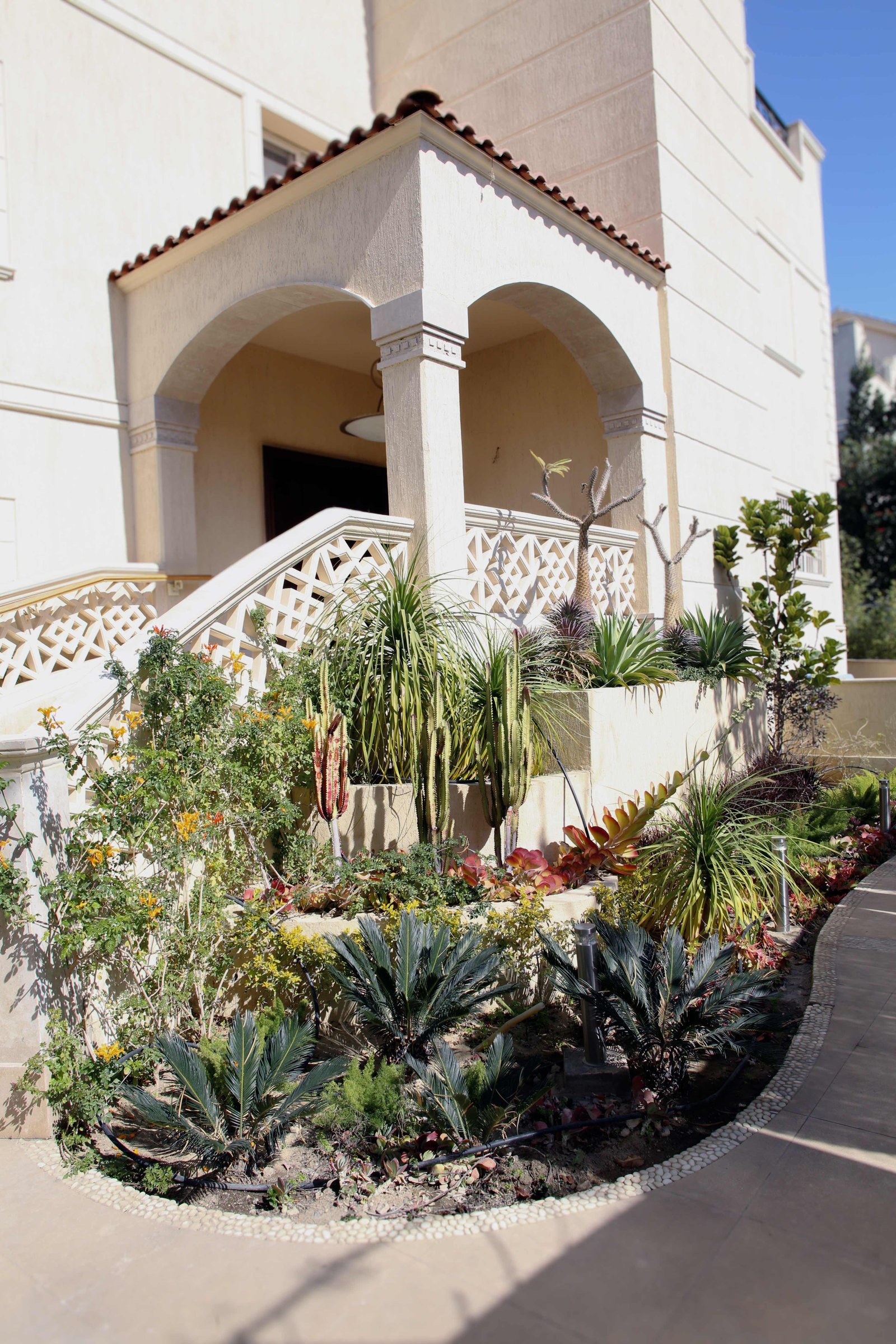
Outside, the architecture steps gently into the garden.
Soft arches, curved stairs, and earth-toned textures create a transition from home to nature that feels grounded and effortless.
These outdoor areas, though minimal, offer quiet moments — whether for morning light or evening stillness.
Soft arches, curved stairs, and earth-toned textures create a transition from home to nature that feels grounded and effortless.
These outdoor areas, though minimal, offer quiet moments — whether for morning light or evening stillness.